

Acceptance and Commitment Therapy (ACT)
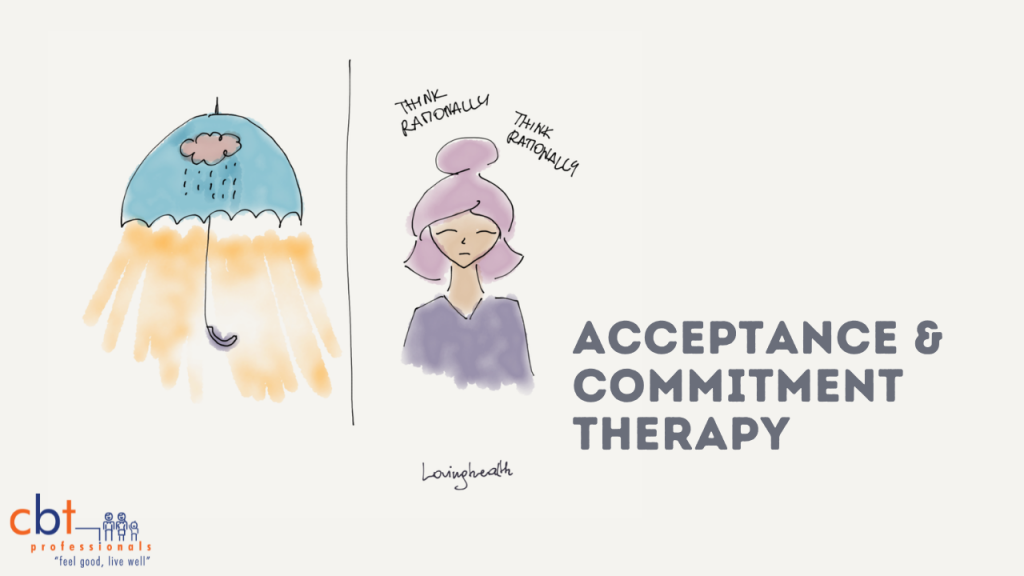
Acceptance and Commitment Therapy (ACT) is an evidence-based psychological therapy that helps people develop a healthier relationship with difficult thoughts, emotions and life experiences. Rather than trying to eliminate distress completely, ACT focuses on building psychological flexibility — the ability to stay present, open up to difficult experiences, and take meaningful action aligned with your values.
At its core, ACT encourages people to stop struggling against painful thoughts and feelings and instead learn practical ways to respond to them more effectively. The goal is not to “feel good all the time,” but to create a rich, meaningful and fulfilling life, even when challenges are present.
This blog explores what ACT is, how it works, the core principles of ACT, and how this approach can support mental health and wellbeing.
What Is Acceptance and Commitment Therapy?
Acceptance and Commitment Therapy was developed within behavioural psychology and integrates mindfulness strategies with values-based action. ACT teaches individuals to accept what is outside of their control while committing to behaviours that improve quality of life.
Many people naturally try to avoid uncomfortable emotions, suppress painful memories, or control anxious thoughts. While this may provide temporary relief, ongoing avoidance often increases emotional distress over time and can limit life experiences.
ACT helps people move away from struggling with internal experiences and towards living in line with what truly matters to them.
Rather than asking:
- “How do I get rid of anxiety?”
ACT asks: - “How can I live a meaningful life, even when anxiety shows up?”
This shift in perspective can be deeply empowering.
How ACT Works
ACT combines mindfulness, behavioural strategies and self-awareness techniques to help people develop psychological flexibility. Psychological flexibility refers to the ability to:
- Stay connected to the present moment
- Respond effectively to difficult emotions
- Adapt to challenges
- Take purposeful action guided by personal values
Research has shown ACT can be effective for a wide range of mental health concerns and life challenges, including:
- Anxiety disorders
- Depression
- Stress and burnout
- Obsessive Compulsive Disorder (OCD)
- Trauma-related difficulties
- Substance use concerns
- Chronic pain and health conditions
- Relationship difficulties
ACT is also widely used to support resilience, emotional wellbeing and personal growth.
The Six Core Processes of ACT
ACT uses six interconnected processes that work together to build psychological flexibility.
1. Cognitive Defusion
Defusion involves learning to step back from unhelpful thoughts rather than becoming overwhelmed or controlled by them.
Instead of treating thoughts as facts, ACT teaches people to notice thoughts as passing mental events. For example, changing:
- “I’m a failure”
to: - “I’m having the thought that I’m a failure”
This creates psychological distance and reduces the power thoughts have over behaviour.
2. Acceptance
Acceptance means making space for uncomfortable feelings, sensations and emotions instead of constantly fighting or avoiding them.
ACT recognises that pain is a normal part of being human. Trying to eliminate every difficult feeling can often increase suffering. Acceptance involves allowing emotions to come and go without struggling against them.
3. Present Moment Awareness
Mindfulness and present-moment awareness are central to ACT. Many people become caught up in worries about the future or regrets about the past.
ACT encourages individuals to reconnect with the here and now through grounding, mindfulness and sensory awareness. This can help reduce emotional overwhelm and improve focus and clarity.
4. The Observing Self
ACT helps individuals recognise that they are more than their thoughts, feelings or experiences.
The “observing self” refers to the stable part of ourselves that notices thoughts and emotions without being defined by them. This perspective can create greater emotional balance and self-compassion.
5. Values Clarification
Values are the qualities and principles that matter most to us — such as kindness, honesty, connection, growth, family or courage.
ACT helps people identify what they truly want their life to stand for. Values act like a compass, guiding meaningful choices and actions.
6. Committed Action
Committed action involves taking practical steps towards a meaningful life, even when difficult thoughts or feelings are present.
This may involve:
- Improving relationships
- Returning to study or work
- Setting healthy boundaries
- Prioritising self-care
- Pursuing goals aligned with personal values
Small, consistent actions often create lasting change over time.
Benefits of Acceptance and Commitment Therapy
Improved Emotional Resilience
ACT helps individuals respond more effectively to stress, uncertainty and emotional discomfort. Rather than becoming stuck in avoidance patterns, people learn healthier coping strategies.
Reduced Struggle With Thoughts and Emotions
ACT teaches that thoughts do not need to control behaviour. By changing the relationship with difficult thoughts, people often experience less emotional distress.
Greater Psychological Flexibility
Psychological flexibility supports adaptability, emotional regulation and problem-solving across many life situations.
Increased Meaning and Fulfilment
ACT focuses on building a life driven by values rather than fear or avoidance. This can lead to greater purpose, connection and satisfaction.
Enhanced Mindfulness Skills
Mindfulness practices within ACT can improve focus, self-awareness and emotional balance.
ACT and Chronic Pain
ACT is commonly used to support people living with chronic pain and long-term health conditions.
Rather than focusing solely on eliminating pain, ACT helps individuals reduce the emotional suffering associated with pain by:
- Improving coping strategies
- Reducing avoidance behaviours
- Increasing engagement in meaningful activities
- Building acceptance and resilience
Research suggests ACT can improve quality of life and emotional wellbeing for individuals managing chronic pain conditions.
Is ACT Right for You?
ACT may be helpful if you:
- Feel stuck in cycles of worry, avoidance or self-criticism
- Struggle with anxiety, stress or low mood
- Find difficult thoughts hard to manage
- Want to improve emotional resilience
- Feel disconnected from what matters most to you
- Want practical strategies for building a more meaningful life
ACT is highly adaptable and can be tailored to individual needs, goals and life circumstances.
Seeking Support Through ACT
Working with a psychologist trained in Acceptance and Commitment Therapy can help you develop practical tools to navigate challenges more effectively while building a life aligned with your values.
At CBT Professionals, our experienced psychologists provide evidence-based ACT interventions to support emotional wellbeing, resilience and personal growth.
We offer support for:
- Anxiety and stress
- Depression
- Trauma and emotional difficulties
- Chronic pain
- Relationship concerns
- Life transitions and burnout
Contact CBT Professionals
- Helensvale: (07) 5551 0251
- Mount Gravatt: (07) 3102 1366
- Nerang: (07) 5668 3490
If you are experiencing ongoing mental health difficulties, consider speaking with your GP or a qualified mental health professional.
For immediate support in a crisis:
- Lifeline Australia — 13 11 14
- Beyond Blue
- ReachOut Australia
- In an emergency, call 000 or attend your nearest emergency department.
Disclaimer: This article is intended for educational and informational purposes only and should not replace advice from your doctor or registered health professional. Always seek professional support regarding your individual mental health concerns.
THREE CONVENIENT LOCATIONS
MOUNT GRAVATT
Mt Gravatt Medical PrecinctSE 105, 1808 Logan Rd
Upper Mount Gravatt QLD 4122