

How Long Do Panic Attacks Last?
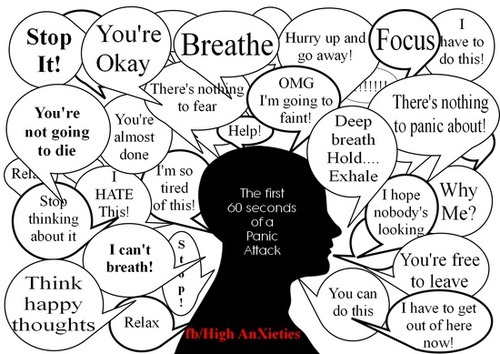
“It feels like I’m going to die. My heart is racing out of my chest, I can’t breathe, and I feel shaky and sick. I don’t know what’s happening, and I’m terrified it won’t stop!”
This is a very common description of a panic attack. Many people experience this sudden surge of fear — and wonder how long it will last. In fact, up to 40% of Australians will have a panic attack at some point in their lives.
In this guide you’ll learn:
- What panic attacks are
- How long they typically last
- Why they can feel longer
- Practical steps to stop them
- When to seek help
- How CBT Professionals can support you
What Are Panic Attacks?
A panic attack is an intense, abrupt episode of anxiety and physical symptoms. It’s triggered by the body’s fight or flight response, an automatic survival mechanism that prepares you to respond to danger.
Your body reacts by releasing adrenaline, increasing your heart rate, tensing muscles, sharpening your senses, and redirecting blood flow — all to help you react quickly to perceived threats.
While this response can save your life in real danger, it can feel overwhelming and unnecessary in modern life, especially if triggered by emotional stress rather than physical harm.
Common panic attack symptoms include:
- Rapid heartbeat or palpitations
- Shortness of breath
- Chest tightness or pain
- Dizziness or light‑headedness
- Sweating or trembling
- Nausea or stomach discomfort
- Feeling detached from yourself
- Fear of losing control or dying
How Long Do Panic Attacks Last?
Here’s the reassuring part: most panic attacks peak within 5–10 minutes and usually end within 20–30 minutes.
Your nervous system doesn’t stay in full alarm mode for long — even if it feels much longer in the moment. The physical sensations often build quickly, then gradually ease as the body returns to normal.
Why Panic Attacks Can Feel Longer
Even after the intense symptoms subside, you may experience:
- Anticipatory anxiety — worrying about the next attack
- Hyper‑awareness of sensations — noticing normal bodily cues as threats
- Behavioural avoidance — steering clear of places or situations associated with past attacks
These responses can make it feel like anxiety never really ends, even though the actual panic attack itself has stopped.
What Stops Panic Attacks?
Panic attacks stop when your body realises there is no real threat. However, modern triggers are often emotional or psychological — like stress at work, relationship worries, or worry about your health — rather than physical danger.
Because your nervous system doesn’t know the difference, it reacts in the same way it would if a real threat were present.
Learning to re‑interpret your body’s signals and respond with confidence instead of fear can reduce both the intensity and duration of panic attacks.
How to Reduce the Duration and Intensity of Panic Attacks
You can learn to manage panic attacks and reduce how long they last by using evidence‑based tools and support. Here are practical strategies:
1. Challenge Your Thoughts
Tell yourself:
“These symptoms are uncomfortable but not dangerous. They are a normal stress reaction that will pass.”
2. Controlled Breathing
Slow, steady breathing helps calm your nervous system:
- Inhale through your nose for 4 seconds
- Hold for 4 seconds
- Exhale through your mouth for 6 seconds
Repeat until your body settles.
3. Grounding Techniques
Focus on the present moment using the 5‑4‑3‑2‑1 method:
- 5 things you see
- 4 things you can touch
- 3 things you hear
- 2 things you smell
- 1 thing you taste
4. Relaxation and Mindfulness
Practices like progressive muscle relaxation, mindfulness meditation, and gentle movement help reduce overall stress levels before panic starts.
5. Exposure Practice
Avoiding triggers may feel safer in the short term, but it reinforces fear. Gradually approaching feared situations with support can reduce panic over time.
When to Seek Professional Help
If panic attacks are:
- Frequent or unpredictable
- Interfering with daily life
- Leading to avoidance behaviours
- Creating deep fear of future attacks
…then professional support can help you build skills to manage panic confidently.
How CBT Professionals Can Help
At CBT Professionals, psychologists can support you through:
👉 Individual therapy for panic and anxiety
👉 Cognitive Behavioural Therapy (CBT) to challenge unhelpful thoughts
👉 Exposure and response prevention to reduce avoidance
👉 Relaxation and breathing training
👉 Stress management and coping plans
What to Expect at Your First Session
In your first appointment, your psychologist will:
- Talk about your panic experiences
- Explore triggers and symptoms
- Identify patterns in thoughts and behaviours
- Develop personalised coping strategies
- Agree on goals for treatment
Therapy is a collaborative process — you’re not being “fixed,” but learning skills that empower you.
Frequently Asked Questions (FAQs)
Q1: How long do panic attacks usually last?
Most panic attacks peak in 5–10 minutes and end within 20–30 minutes, although residual feelings can linger.
Q2: Can panic attacks last for days?
The acute attack does not last days, but anticipatory anxiety can create ongoing unease that feels like prolonged panic.
Q3: Are panic attacks dangerous?
No — while intense, they are not medically dangerous. They are your body’s alarm system reacting as though it needs to prepare you for danger.
Q4: Can anxiety get worse over time?
Yes — if panic attacks lead to avoidance and fear of future attacks, anxiety can expand into other areas of life.
Q5: Can therapy help panic attacks?
Yes — therapy, especially CBT, is very effective at reducing symptoms and frequency of panic attacks.
Take the Next Step
You don’t have to manage panic attacks on your own. With the right strategies and support, you can reduce their frequency and feel in control again.
Helensvale: (07) 5551 0251
Mount Gravatt: (07) 3102 1366
Nerang: (07) 5668 3490
Disclaimer: Content on this website is provided for education and information purposes only and is not intended to replace advise from your doctor or registered health professional. Readers are urged to consult their registered practitioner for diagnosis and treatment for their medical concerns.
THREE CONVENIENT LOCATIONS
MOUNT GRAVATT
Mt Gravatt Medical PrecinctSE 105, 1808 Logan Rd
Upper Mount Gravatt QLD 4122