

Understanding Post-Natal Depression
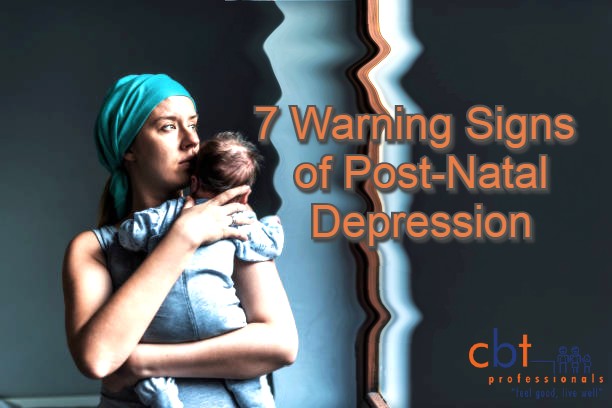
Pregnancy, birth, and early parenthood are often described as joyful and life-changing experiences — and they can be. However, they can also bring enormous emotional, physical, and psychological challenges that many people do not fully anticipate.
From difficulties conceiving and high-risk pregnancies to traumatic births, breastfeeding struggles, sleep deprivation, hormonal changes, and the realities of caring for a new born, the transition into parenthood can feel overwhelming. For some people, these experiences contribute to ante-natal or post-natal depression.
Despite growing awareness around mental health, many parents still feel pressure to appear grateful, happy, and coping at all times. Social expectations, unrealistic comparisons, and a lack of support can leave parents feeling isolated, ashamed, or inadequate during one of the most demanding transitions in life.
This blog explores:
- What post-natal depression is
- Common signs and symptoms
- Risk factors and causes
- The difference between “baby blues” and post-natal depression
- Treatment and support options
- When to seek professional help
What Is Post-Natal Depression?
Post-natal depression (PND), also called postpartum depression, is a common mental health condition that can affect mothers, fathers, and partners during pregnancy or after the birth of a baby.
PND involves more than the normal stress, exhaustion, or emotional adjustment associated with becoming a parent. It can significantly affect mood, functioning, relationships, sleep, confidence, and daily wellbeing.
Post-natal depression may develop:
- During pregnancy (ante-natal depression)
- Within days after birth
- Any time during the first year postpartum
Research suggests approximately:
- 1 in 7 women experience post-natal depression
- Around 1 in 10 partners also experience post-natal depression symptoms
The Difference Between “Baby Blues” and Post-Natal Depression
Many new mothers experience the “baby blues” in the first few days after birth.
Baby Blues Symptoms
These may include:
- Tearfulness
- Mood swings
- Irritability
- Feeling emotionally overwhelmed
- Increased anxiety
Baby blues are extremely common and usually improve within several days to two weeks with support, rest, and reassurance.
Post-natal depression differs because symptoms:
- Persist longer
- Feel more intense
- Affect daily functioning
- Impact emotional wellbeing and relationships
What Causes Post-Natal Depression?
There is no single cause of post-natal depression. It is usually influenced by a combination of biological, psychological, and social factors.
Common Risk Factors Include:
- Hormonal changes after birth
- Sleep deprivation
- Difficult pregnancy or birth experiences
- Traumatic birth
- Feeding difficulties
- Lack of support
- Relationship stress
- Financial pressure
- History of anxiety or depression
- Unrealistic expectations of parenthood
- Feeling isolated or unsupported
For many parents, the emotional reality of parenting can feel very different from what they expected.
Unrealistic Expectations and Parenting Pressure
Many people prepare extensively for birth itself but far less for the emotional and psychological adjustment afterwards.
Social media, parenting advice, and societal expectations can create pressure to:
- Bond instantly with your baby
- Enjoy every moment
- Feel naturally confident as a parent
- “Bounce back” quickly after birth
In reality, many parents:
- Feel disconnected initially
- Experience grief for their previous life
- Struggle with identity changes
- Feel overwhelmed by responsibility
- Need significant emotional support
These experiences are far more common than many people realise.
7 Warning Signs of Post-Natal Depression
1. Persistent Low Mood
You may feel:
- Empty
- Exhausted
- Tearful
- Numb
- Unable to experience joy
These feelings may persist most days for several weeks.
2. Ongoing Anxiety or Panic
You may:
- Feel constantly on edge
- Fear being alone with the baby
- Avoid leaving the house
- Feel overwhelmed by everyday tasks
3. Sleep Difficulties Beyond Normal Newborn Disruption
This may include:
- Insomnia
- Excessive sleeping
- Nightmares
- Inability to rest even when the baby sleeps
4. Feelings of Failure or Inadequacy
Many parents with PND experience thoughts such as:
- “I’m a bad parent”
- “I’m failing”
- “Everyone else is coping better than me”
5. Hopelessness, Shame, or Guilt
You may:
- Feel hopeless about the future
- Question every decision
- Experience overwhelming guilt or self-criticism
6. Excessive Worry About the Baby
Some parents become highly anxious about:
- Feeding
- Sleeping
- Illness
- Safety
- Development
This may involve excessive Googling, reassurance seeking, or constant fear something is wrong.
7. Distressing or Dark Thoughts
Some parents experience thoughts such as:
- “My family would be better off without me”
- “I can’t cope anymore”
These thoughts can feel frightening and isolating, but they are important signs that support is needed.
If you are experiencing thoughts of self-harm or suicide, seek immediate support from a healthcare professional or crisis support service.
How CBT Can Help Post-Natal Depression
Cognitive Behavioural Therapy (CBT) is an evidence-based treatment commonly used for post-natal depression and anxiety.
CBT helps individuals:
- Identify unhelpful thought patterns
- Reduce self-criticism
- Challenge unrealistic expectations
- Improve coping strategies
- Reduce avoidance behaviours
- Build emotional resilience
CBT can also support parents in adjusting to identity changes, relationship stress, and the emotional demands of parenthood.
Common CBT Strategies for Post-Natal Depression
Cognitive Restructuring
Learning to challenge thoughts such as:
- “I’m failing”
- “I should be coping better”
- “Everyone else is managing”
Behavioural Activation
Gradually increasing meaningful activities that improve mood and reduce withdrawal.
Self-Compassion Skills
Developing kinder and more balanced self-talk.
Anxiety Management Techniques
Learning grounding, breathing, and emotional regulation strategies.
Sleep and Routine Support
Improving rest patterns where possible and creating manageable routines.
When to Seek Professional Help
It is important to seek support if symptoms:
- Persist longer than two weeks
- Affect your ability to function
- Impact bonding or relationships
- Cause significant distress
- Include hopelessness or dark thoughts
Early support can make a significant difference in recovery.
Support Options for Post-Natal Depression
Support may include:
- Psychologists
- General Practitioners (GPs)
- Maternal health services
- Support groups
- Helplines and crisis services
In Australia, support services include:
- PANDA
- Beyond Blue
- Parent line
A GP can also provide a Mental Health Care Plan for Medicare-rebated psychological sessions.
Frequently Asked Questions (FAQs)
What is post-natal depression?
Post-natal depression is a mental health condition that can occur during pregnancy or after childbirth, involving persistent low mood, anxiety, and emotional distress.
How common is post-natal depression?
Approximately 1 in 7 women and 1 in 10 partners experience post-natal depression symptoms.
What is the difference between baby blues and post-natal depression?
Baby blues are short-term emotional changes after birth, while post-natal depression is more persistent and severe.
Can fathers or partners get post-natal depression?
Yes. Partners can also experience depression and anxiety during pregnancy and the postpartum period.
How is post-natal depression treated?
Treatment may include CBT, counselling, support groups, lifestyle support, and sometimes medication.
When should I seek help for post-natal depression?
If symptoms persist for more than two weeks or significantly affect your wellbeing or functioning, professional support is recommended.
Call to Action
If you are struggling emotionally during pregnancy or after the birth of your baby, you do not have to navigate it alone.
Our psychologists at CBT Professionals provide compassionate, evidence-based support for post-natal depression, anxiety, birth trauma, and adjustment to parenthood.
👉 Contact our team today to book an appointment or speak with a psychologist experienced in perinatal mental health support.
We offer both in-person and telehealth appointments for parents across Australia.
Disclaimer
This content is provided for educational and informational purposes only and is not intended to replace medical advice, diagnosis, or treatment from a registered healthcare professional. Please consult your doctor or qualified health practitioner regarding your individual circumstances.
THREE CONVENIENT LOCATIONS
MOUNT GRAVATT
Mt Gravatt Medical PrecinctSE 105, 1808 Logan Rd
Upper Mount Gravatt QLD 4122