

Understanding FOMO and Social Comparison
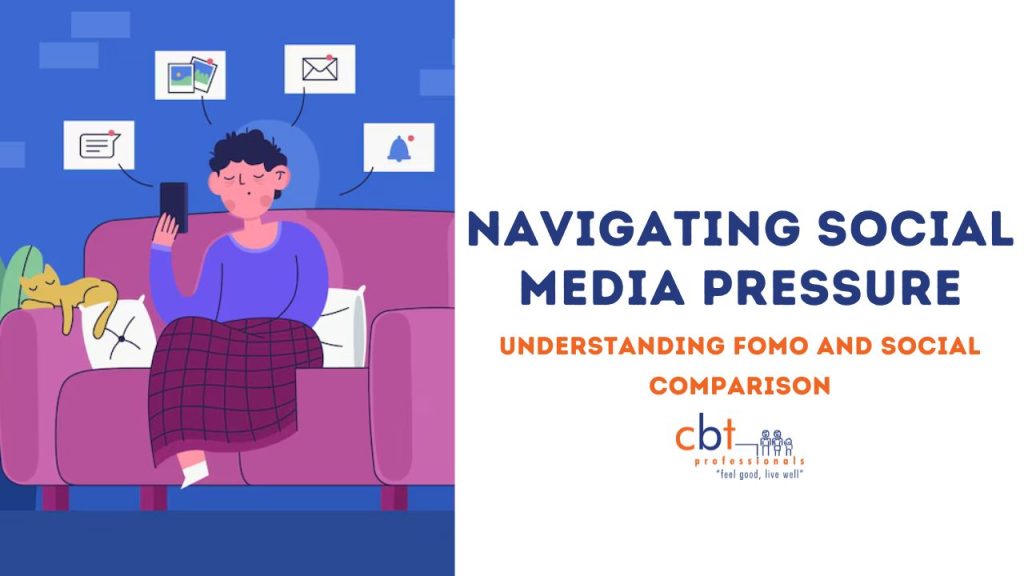
In today’s digitally interconnected world, social media has become a central part of daily life. Platforms such as Instagram, Facebook, and TikTok provide a window into the lives of others, often showcasing seemingly perfect moments and carefully curated experiences. While these platforms offer connection and inspiration, they can also contribute to a range of psychological challenges, including feelings of inadequacy, envy, and anxiety.
Two key psychological concepts often underlie these experiences: FOMO (Fear of Missing Out) and social comparison. Understanding these phenomena is essential for maintaining a healthy relationship with social media and protecting mental well-being.
What is FOMO (Fear of Missing Out)?
FOMO is the pervasive anxiety that others are experiencing more fulfilling or rewarding experiences than you are. Social media can intensify this feeling, as users frequently share highlights of their lives, creating an idealised view of reality. Seeing friends travel, attend events, or achieve milestones can trigger feelings of inadequacy, discontentment, and restlessness.
Psychologically, FOMO is tied to the human desire for social acceptance and belonging. Individuals experiencing FOMO may check their social media feeds compulsively, seeking validation and reassurance. This cycle of constant engagement can increase anxiety, reduce satisfaction, and impact overall mental health.
Research shows that FOMO is particularly common among younger generations who have grown up with digital technology. The constant stream of updates and notifications fosters a sense of urgency to stay connected, often contributing to persistent dissatisfaction.
Social Comparison: The Hidden Danger
Social comparison is the process of evaluating ourselves against others. On social media, this often means comparing life achievements, appearance, or experiences with those of peers. However, these comparisons are rarely accurate, as social media tends to highlight positive moments while concealing everyday struggles.
Frequent social comparison can have negative effects on self-esteem and mental well-being. The phenomenon known as “compare and despair” occurs when people feel inadequate because they measure themselves against unrealistic standards. Over time, this can lead to chronic stress, anxiety, and reduced life satisfaction.
How to Navigate Social Media Pressure
While social media is a significant part of modern life, there are practical strategies to mitigate its negative impact:
- Limit Screen Time – Set boundaries around social media use. Schedule specific times for checking apps and prioritise offline activities to maintain balance.
- Practice Mindfulness – Mindfulness helps you become aware of emotional responses to social media. Techniques such as meditation and deep breathing promote resilience and reduce reactivity to triggers.
- Curate Your Feed – Intentionally manage your social media content. Unfollow accounts that promote unrealistic ideals and follow pages that share authentic, relatable experiences.
- Focus on Gratitude – Shift attention from what’s lacking to what’s present. Journaling achievements or reflecting on daily positives can improve self-esteem and reduce negative comparisons.
- Seek Support – Discuss FOMO and social comparison with trusted friends or mental health professionals. Building a supportive network can provide perspective and guidance.
FAQs
Q: Can FOMO affect adults as well as teens?
A: Yes, FOMO can impact individuals of all ages, particularly those heavily engaged in social media or professional networks.
Q: How can I tell if social media is harming my mental health?
A: Signs include persistent anxiety, low mood, constant comparison, disrupted sleep, and compulsive checking of feeds.
Q: What is the difference between FOMO and social comparison?
A: FOMO is the anxiety about missing out on experiences, whereas social comparison involves evaluating yourself against others. Both can overlap and affect well-being.
Q: Are there evidence-based ways to manage FOMO?
A: Yes, Cognitive Behavioural Therapy (CBT), mindfulness, gratitude practices, and social media boundaries are all effective strategies.
Take the First Step Towards Digital Well-Being
If you’re struggling with the anxiety and pressure caused by FOMO or social comparison, support is available. At CBT Professionals, our trained psychologists use evidence-based Cognitive Behavioural Therapy (CBT) to help individuals develop emotional resilience, self-awareness, and a healthier relationship with social media.
Contact us today to schedule a consultation and start your journey towards balance and mental well-being.
- Helensvale: (07) 5551 0251
- Mount Gravatt: (07) 3102 1366
- Nerang: (07) 5668 3490
If you, or someone you know, requires urgent support, reach out to organisations such as:
- Beyond Blue – mental health support
- ReachOut – youth mental health service
- SANE Australia – 1800 187 263
- Mental Illness Fellowship of Australia (MIFA) – 1800 985 944
- Lifeline – 13 11 14
In an emergency, contact 000 or visit your local emergency department.
Disclaimer: This content is for educational purposes only and is not a substitute for professional medical advice. Consult a registered practitioner for personalised diagnosis and treatment.
THREE CONVENIENT LOCATIONS
MOUNT GRAVATT
Mt Gravatt Medical PrecinctSE 105, 1808 Logan Rd
Upper Mount Gravatt QLD 4122