

Common Relationship Problems and How to Fix Them
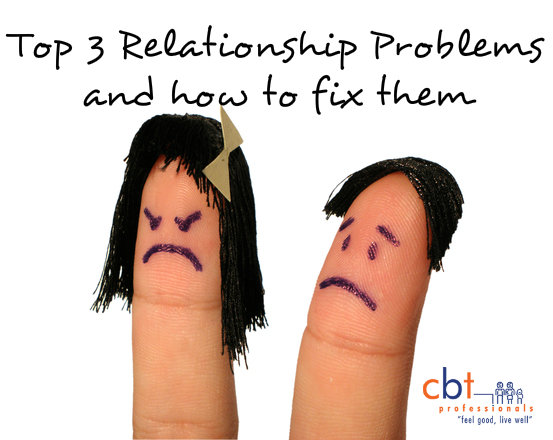
“Here we are again, arguing about the same issues. When will you listen to me? You never understand my point of view. I can’t do this anymore. If you’re not going to change, we may as well end this now.”
Sound familiar? Unfortunately, statements like this are common among couples experiencing relationship difficulties. In this blog, we’ll explore the most common relationship problems, how to identify when to seek help, the ABCDE approach to repairing relationships, and where to get support.
Top Causes of Relationship Problems
Relationship challenges can arise from many sources, but research shows the most common include:
1. Financial Stress
Financial issues are a leading cause of relationship problems. A study by Relationships Australia and Credit Union Australia (2011) found that financial stress increases conflict, communication breakdown, and negativity within couples.
2. Communication Difficulties
Poor communication often leads to misunderstandings, frustration, and ongoing conflict.
3. Differences in Values and Expectations
Couples may experience tension due to different beliefs, priorities, or life goals. Lack of trust and commitment also contributes to long-term relationship strain.
The Four Horsemen of Relationship Conflict
Dr. John Gottman, who has studied couples for over 40 years, found that negativity predicts relationship outcomes. He describes the “Four Horsemen of the Relationship Apocalypse”:
- Criticism – Blaming or attacking your partner increases anger and resentment.
- Defensiveness – Responding to criticism by counterattacking or playing the victim escalates conflict.
- Contempt – Acting superior, insulting, or belittling your partner strongly predicts breakups.
- Stonewalling – Shutting down or tuning out signals that you do not care and harms the relationship.
How to Identify When You Need Help
If you notice any of the following regularly, it may indicate that your relationship requires support:
- Frequent arguments or angry outbursts
- Avoidance or shutting down (e.g., preferring to stay at work)
- Differences in opinions, values, beliefs, or goals
- Life changes such as a new baby, blended family, or illness
- Financial difficulties
- Sexual or intimacy issues
- Alcohol, drug, or gambling problems
- Mental health stress in one or both partners
- Withdrawal from social connections
- Lack of enjoyment in the relationship
- Bullying, harassment, or lack of trust/respect
- Repeated criticism, defensiveness, contempt, or stonewalling
Red flags requiring professional support include physical conflict, family violence, or ongoing emotional abuse.
Relationship Problems and Family Violence
Sometimes relationship problems escalate and threaten the emotional or physical safety of family members. Domestic or family violence can take many forms:
- Physical abuse – threats, hitting, or harming pets
- Verbal abuse – yelling or name-calling
- Emotional/psychological abuse – humiliation, blaming, or controlling behaviour
- Sexual abuse – rape or sexual coercion
- Financial abuse – restricting access to money
- Social abuse – controlling activities or friendships
- Stalking – following or excessive contact
- Cultural/spiritual abuse – controlling religious or cultural practices
Witnessing or experiencing abuse can have lasting effects on children and family members. If abuse occurs, seek professional support immediately.
The ABCDE Approach to Repairing Relationship Problems
- Accept Differences – Recognise that partners have different ideas, beliefs, and opinions. Tolerance and compromise reduce conflict.
- Be Caring and Concerned – Treat your partner like a best friend; show kindness and consideration.
- Communicate Clearly – Discuss concerns calmly and honestly. Avoid the Four Horsemen.
- Dedicate Time and Effort – Relationships require consistent work and prioritisation. Seek professional help if problems persist.
- Ensure Fun Together – Even during tough times, make time for enjoyable shared activities.
Where to Get Further Help
Reach out to our team & we are able to help you receive a referral to see one of our psychologists:
Helensvale: (07) 5551 0251
Mount Gravatt: (07) 3102 1366
Nerang: (07) 5668 3490
- Talk to trusted friends or family
- Attend relationship, family, or individual counselling
- Join courses/workshops on communication, parenting, or financial management
- Call 24-hour helplines:
- 1800 Respect (family abuse): 1800 737 732
- Men’s Helpline: 1300 789 978
- Lifeline: 13 11 14
- Kids Helpline: 1800 551 800
FAQs About Relationship Problems
Q1: What are the most common causes of relationship problems?
Financial stress, communication difficulties, differences in values and expectations, and lack of trust or commitment.
Q2: How do I know when to seek professional help?
Frequent conflict, abuse, withdrawal, and persistent issues like stonewalling or contempt are signs to seek guidance from a counsellor or psychologist.
Q3: Can relationship problems affect children?
Yes, exposure to conflict or domestic violence can negatively impact children’s emotional and social development.
Q4: How can I repair my relationship?
Use the ABCDE approach: accept differences, be caring, communicate clearly, dedicate time and effort, and ensure fun together.
Disclaimer: Content on this website is provided for education and information purposes only and is not intended to replace advise from your doctor or registered health professional. Readers are urged to consult their registered practitioner for diagnosis and treatment for their medical concerns.
THREE CONVENIENT LOCATIONS
MOUNT GRAVATT
Mt Gravatt Medical PrecinctSE 105, 1808 Logan Rd
Upper Mount Gravatt QLD 4122