

Autism Spectrum Disorder (ASD) Children
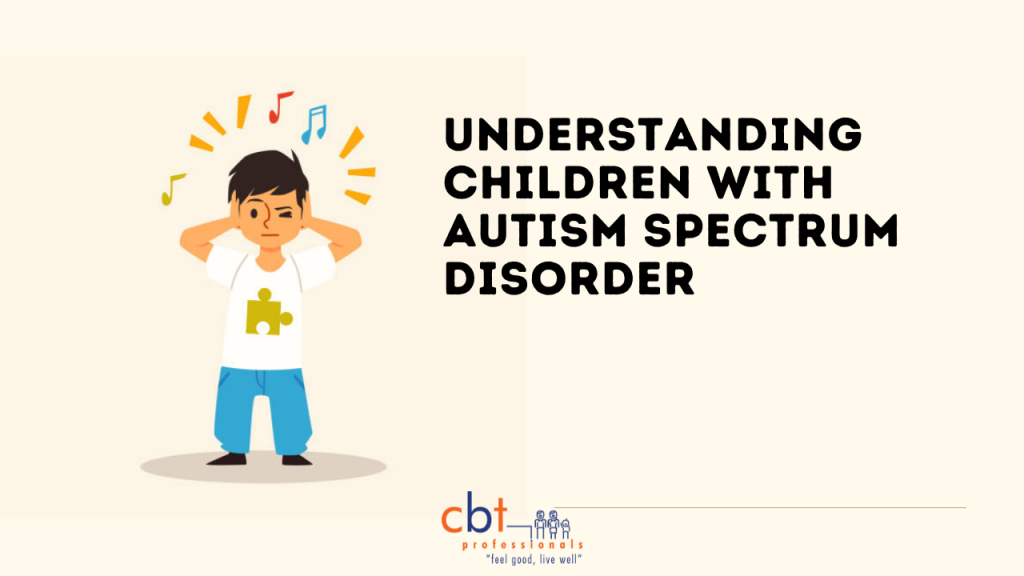
Autism Spectrum Disorder (ASD) is a neurodevelopmental condition that affects how a person communicates, interacts socially, and experiences the world around them.
Importantly, ASD is described as a “spectrum” because each individual presents differently. For instance, some people may require significant support in daily life, whereas others may be highly independent but still experience challenges in communication, sensory processing, or social understanding.
In addition, ASD is caused by differences in brain development and is not something that can be “cured”. However, with the right support, individuals can develop skills, build confidence, and significantly improve their quality of life over time.
Ultimately, every person with autism is unique, and there is no single way ASD presents.
Common Characteristics of Autism Spectrum Disorder
Individuals with ASD may experience differences in the following areas:
- Social communication and interaction
- Behavioural patterns and routines
- Sensory processing and response
However, it is important to note that not every individual will experience all traits. As a result, presentation can vary widely from person to person.
Early Signs of Autism in Children
Early identification can help children receive appropriate and timely support. Therefore, recognising early signs can be incredibly valuable.
Some early signs may include:
Social Communication Differences
For example, children may:
- Have limited or inconsistent eye contact
- Not respond to their name by around 9 months
- Show difficulty understanding emotions in others
- Display reduced interest in social interaction or shared play
- Experience challenges forming friendships
- Prefer to play alone
- Struggle to interpret facial expressions or tone of voice
Communication Differences
In addition, children may:
- Experience delayed speech development
- Use limited gestures (e.g., pointing, waving)
- Repeat words or phrases (echolalia)
- Have difficulty engaging in back-and-forth conversation
Repetitive Behaviours and Restricted Interests
Furthermore, children may:
- Repeat certain movements (e.g., hand flapping, rocking)
- Show strong preference for routines and predictability
- Become distressed when routines or environments change
- Develop highly focused interests in specific topics or objects
- Engage in repetitive play patterns (e.g., lining up toys)
Sensory Processing Differences
Similarly, children with ASD may be:
- Over-sensitive to sound, light, touch, taste, or smell
- Under-sensitive and actively seek sensory input (movement, pressure, noise)
- Distressed by certain textures, clothing, or environments
- Fascinated by sensory elements such as spinning objects or lights
What Causes Autism Spectrum Disorder?
ASD is a neurodevelopmental condition linked to differences in brain development.
Importantly, it is not caused by parenting style, discipline, or environmental factors alone.
Instead, research suggests that a combination of genetic and neurological factors contributes to ASD.
How is Autism Spectrum Disorder Diagnosed?
The diagnostic process for ASD is comprehensive and, in many cases, takes time.
Typically, a formal assessment involves:
- Developmental history interviews with parents or caregivers
- Behavioural observations of the child
- Communication and social interaction assessments
- Input from schools or educators (where appropriate)
- Standardised psychological testing
Since there is no single medical test for autism, diagnosis is instead based on behavioural patterns observed over time.
As a result, assessments are conducted by qualified clinicians such as psychologists or paediatric specialists.
Why Early Assessment is Important
Early assessment and intervention can significantly support a child’s development. For example, it can help children:
- Develop communication skills
- Improve social interaction
- Build emotional regulation strategies
- Strengthen learning and developmental outcomes
- Reduce frustration and anxiety
Consequently, early understanding allows families and professionals to tailor support to the child’s individual needs.
Support and Treatment for Autism Spectrum Disorder
Although there is no cure for ASD, support and intervention can make a significant and positive difference.
In particular, therapeutic approaches may focus on:
- Social skills development
- Emotional regulation
- Behavioural support strategies
- Sensory processing support
- Parent education and guidance
- School support planning
Most importantly, support is most effective when it is individualised and focused on the child’s strengths, needs, and developmental profile.
Supporting Your Child with ASD as a Parent
If your child has been diagnosed or is awaiting assessment, it is completely natural to feel overwhelmed.
However, the following approaches may help:
- Focus on your child’s unique strengths
- Create predictable routines to support stability
- Use clear, simple, and consistent communication
- Work collaboratively with educators and clinicians
- Seek professional guidance early and consistently
Above all, remember: you are not expected to navigate this journey alone.
How CBT Professionals Can Help
At CBT Professionals, we provide compassionate, evidence-based support for children and families navigating Autism Spectrum Disorder.
Our services include:
- Autism assessments and diagnostic support
- Child psychology therapy for ASD-related challenges
- Parent guidance and psychoeducation
- Emotional and behavioural support strategies
- Support before and after diagnosis
In addition, we work closely with families to ensure support is tailored, practical, and focused on long-term wellbeing.
📍 Available locations include:
- Mount Gravatt (Brisbane) : (07) 3102 1366
- Nerang (Gold Coast) : (07) 5668 3490
- Helensvale (support services contact line) : (07) 5551 0251
When to Seek Help
You may wish to seek professional support if your child:
- Shows delayed speech or communication difficulties
- Struggles with social interaction
- Experiences strong distress around routine changes
- Displays repetitive behaviours or sensory sensitivities
- Has been flagged by educators or childcare providers
Importantly, early support can make a meaningful difference in both development and wellbeing.
FAQs
What is Autism Spectrum Disorder (ASD)?
ASD is a developmental condition that affects communication, social interaction, behaviour, and sensory processing.
What are early signs of autism in children?
Early signs may include limited eye contact, delayed speech, difficulty with social interaction, repetitive behaviours, and sensory sensitivities.
How is autism diagnosed?
Autism is diagnosed through behavioural assessments, developmental history, observation, and psychological evaluation. Importantly, there is no single medical test.
Can autism be cured?
No, autism is not a condition that can be cured. However, support and therapy can help individuals develop important life skills and coping strategies.
What therapies help children with autism?
Support may include behavioural therapy, social skills training, emotional regulation strategies, and parent-guided interventions.
When should I seek an autism assessment?
If you notice developmental differences in communication, behaviour, or social interaction, it is recommended to seek a professional assessment as early as possible.
THREE CONVENIENT LOCATIONS
MOUNT GRAVATT
Mt Gravatt Medical PrecinctSE 105, 1808 Logan Rd
Upper Mount Gravatt QLD 4122