

What Is My Attachment Style?
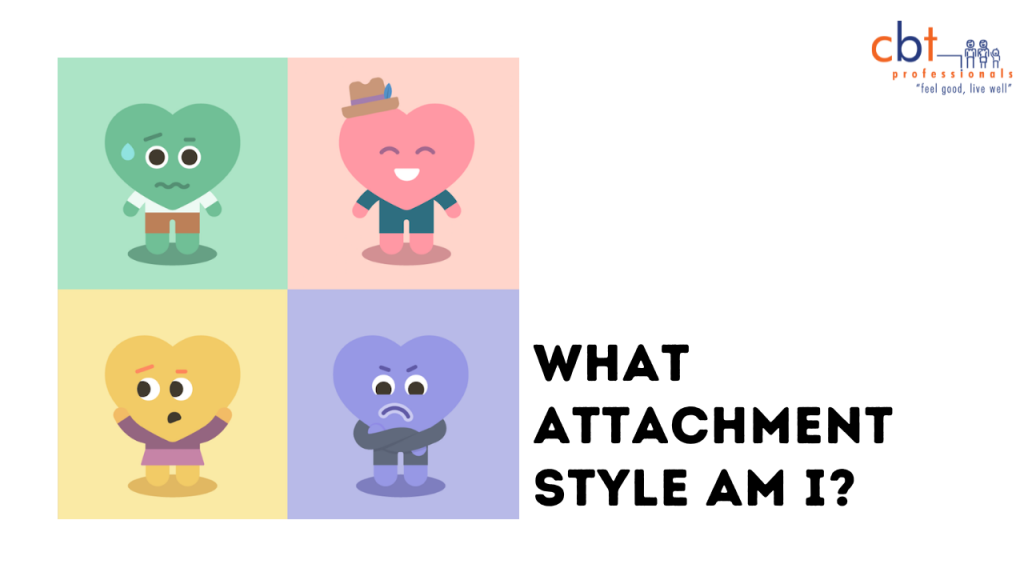
Why do we act the way we do in relationships?
Why do some people crave closeness, while others pull away?
If you’ve ever asked yourself these questions, attachment theory can offer valuable insight.
Attachment styles describe the patterns we form in relationships—how we connect, trust, and respond emotionally to others. These patterns often begin in childhood and continue into adulthood, shaping how we experience romantic relationships.
What Are Attachment Styles?
Attachment theory, developed by John Bowlby and Mary Ainsworth, explains how early relationships influence emotional development.
As children, we rely on caregivers for comfort, safety, and support. When caregivers respond consistently and warmly, we learn that relationships are safe. However, when care is inconsistent, unavailable, or unpredictable, we adapt in different ways.
Over time, these experiences form our attachment style.
There are four main adult attachment styles:
- Anxious
- Avoidant
- Disorganised
- Secure
The Four Attachment Styles
Each style reflects a different way of thinking, feeling, and behaving in relationships.
1. Anxious Attachment
People with an anxious attachment style often worry about whether others will be there for them.
As a result, they may:
- Fear abandonment or rejection
- Seek constant reassurance
- Struggle with low self-esteem
- Feel overly responsible for others’ emotions
This pattern often develops when caregivers are inconsistent—sometimes responsive, sometimes not. Consequently, the child learns to stay alert to changes in attention and approval.
2. Avoidant Attachment
Avoidant attachment involves discomfort with closeness and emotional intimacy.
Individuals with this style often:
- Value independence over connection
- Avoid vulnerability
- Struggle to trust others
- Withdraw during emotional stress
This pattern typically develops when caregivers are emotionally distant or critical. Over time, the child learns to rely on themselves rather than others.
3. Disorganised Attachment
Disorganised (or fearful) attachment combines both anxiety and avoidance.
People with this style may:
- Want connection but fear getting hurt
- Feel confused in relationships
- Struggle to regulate emotions
- Pull away after seeking closeness
This style often links to early experiences of trauma, neglect, or fear. As a result, relationships can feel unpredictable and overwhelming.
4. Secure Attachment
Secure attachment reflects a healthy balance between independence and connection.
Individuals with this style tend to:
- Trust others and feel comfortable with closeness
- Communicate openly
- Maintain a positive view of themselves and others
- Build stable, supportive relationships
This style usually develops when caregivers provide consistent care, safety, and emotional support.
Can Attachment Styles Change?
Yes—attachment styles are not fixed.
Although they begin in childhood, you can reshape them through self-awareness, reflection, and supportive relationships. Therapy, in particular, can help you understand your patterns and develop healthier ways of connecting.
How Therapy Can Help
If you identify with an insecure attachment style, you are not alone—and you are not stuck.
A psychologist can help you:
- Build a more positive self-image
- Understand your emotional triggers
- Develop healthier relationship patterns
- Improve communication and trust
For example, if you fear abandonment or feel overly dependent, therapy can help you build security and confidence. On the other hand, if you tend to withdraw or avoid closeness, therapy can support you in opening up and forming deeper connections.
Moving Towards Secure Attachment
Change takes time, but it is possible.
By developing self-awareness and practising new ways of relating, you can move towards a more secure attachment style. This shift can improve not only romantic relationships but also friendships, family connections, and your relationship with yourself.
How CBT Professionals Can Support You
Our experienced psychologists help individuals understand and work through attachment patterns. We provide tailored strategies to support healthier, more secure relationships.
Book an appointment today:
- Helensvale: (07) 5551 0251
- Mount Gravatt: (07) 3102 1366
- Nerang: (07) 5668 3490
Download our referral form and bring it to your GP to get started.
Additional Support
If you or someone you know needs support, you can contact:
- Lifeline: 13 11 14
- Beyond Blue: 1300 22 4636
- ReachOut: Online youth mental health service
- SANE Australia: 1800 187 263
- Mental Illness Fellowship of Australia (MIFA): 1800 985 944
Emergency: Call 000 or visit your nearest emergency department.
Final Thoughts
Your attachment style shapes how you connect—but it does not define your future.
With the right support and awareness, you can build stronger, more secure relationships and feel more confident in how you connect with others.
Disclaimer: This content is for educational purposes only and does not replace advice from a registered health professional. Please consult your practitioner for diagnosis and treatment.
THREE CONVENIENT LOCATIONS
MOUNT GRAVATT
Mt Gravatt Medical PrecinctSE 105, 1808 Logan Rd
Upper Mount Gravatt QLD 4122