

Childhood Trauma Treatment
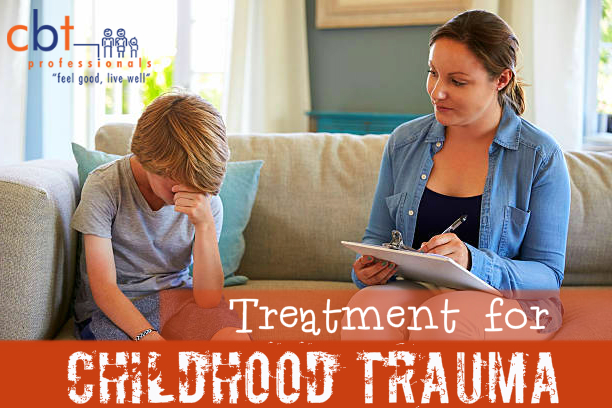
Childhood trauma can have long-lasting effects on emotional, physical, and social development. The Adverse Childhood Experiences (ACEs) study highlights that traumatic experiences—such as abuse, neglect, domestic violence, parental separation, or household mental illness—significantly increase the risk of health and psychological issues later in life.
These effects can include depression, anxiety, substance misuse, high-risk behaviours, chronic illnesses, and even increased mortality. The good news is that early intervention and treatment for childhood trauma can help children recover and thrive.
Why Childhood Trauma is Harmful
Trauma is a frightening and often overwhelming experience. It can rewire a child’s brain, affecting their emotional and behavioural responses. Common outcomes include:
- Hypervigilance or paranoia
- Difficulty regulating emotions (anger, sadness, fear)
- Sleep disturbances
- Mood swings and irritability
- Flashbacks or intrusive memories
These responses are linked to the fight, flight, or freeze reactions triggered by trauma:
- Fight: Anger and aggression as a protective response
- Flight: Hypervigilance and anxiety, constant worry
- Freeze: Emotional shutdown, helplessness, or withdrawal
Over time, these responses can lead to ongoing emotional dysregulation, relationship difficulties, and mental health concerns.
How to Support a Child After Trauma
Parents, caregivers, and educators play a crucial role in supporting children through trauma. Key strategies include:
- Validation: “I believe you” or “It’s understandable you feel scared/angry”
- Predictable routines: Keeping daily schedules consistent and reliable
- Safe expression: Allow children to act out trauma safely with toys, art, or play
- Calm presence: Adults model consistency, empathy, and patience
- Understanding behaviour: Recognise that all behaviour has a purpose; explore the reasons behind actions rather than judging
Think of yourself as an anchor in a storm, providing stability as your child navigates overwhelming emotions.
Evidence-Based Treatments for Childhood Trauma
Treatment options are tailored to the child’s age, needs, and family context. Common approaches include:
1. Trauma-Focused Cognitive Behaviour Therapy (TF-CBT)
TF-CBT helps children:
- Identify and understand unhelpful thoughts and feelings
- Develop coping strategies for distressing emotions
- Reframe their perception of traumatic events
- Build resilience and safety skills
2. Eye Movement Desensitisation and Reprocessing (EMDR)
EMDR is particularly effective for older children and adolescents in processing traumatic memories and reducing associated emotional distress.
3. Dialectical Behavioural Therapy (DBT)
DBT focuses on emotion regulation, distress tolerance, and interpersonal effectiveness, helping children navigate strong feelings without harmful behaviours.
4. Attachment-Based Approaches
Programs such as Circle of Security (COS-P) support secure caregiver-child attachment, promoting trust, safety, and emotional regulation.
How Therapy Works
Treatment begins with a thorough assessment, exploring:
- Trauma history and presenting symptoms
- Cognitive and emotional patterns (e.g., “I will get hurt again”)
- Behavioural responses (e.g., aggression, withdrawal, anxiety)
Therapy combines:
- Relaxation techniques (breathing exercises, mindfulness, progressive muscle relaxation)
- Cognitive strategies to challenge unhelpful thoughts
- Emotional regulation and coping skill development
- Parent and caregiver involvement to reinforce strategies at home
The goal is to retrain the brain to feel safe, regulate emotions, and develop healthier responses to stressors.
Call to Action
If your child has experienced a traumatic event, professional support can make a lasting difference. At CBT Professionals, psychologist Camillie Fitzgerald works with children and families using evidence-based approaches including TF-CBT, EMDR, DBT, and attachment-based therapies.
FAQs
What is childhood trauma?
Childhood trauma refers to experiences of abuse, neglect, domestic violence, or other adverse events that overwhelm a child’s ability to cope.
How does trauma affect children?
Trauma can lead to emotional dysregulation, hypervigilance, anxiety, sleep difficulties, mood swings, and relationship challenges.
What therapies help children recover from trauma?
Evidence-based therapies include TF-CBT, EMDR, DBT, and attachment-based interventions such as Circle of Security.
Can children recover from trauma?
Yes. With supportive caregivers and evidence-based treatment, children can develop resilience, regulate emotions, and recover from trauma.
How do parents support children with trauma?
Parents can validate emotions, maintain predictable routines, provide safe expression opportunities, model calm behaviour, and participate in therapy when appropriate.
THREE CONVENIENT LOCATIONS
MOUNT GRAVATT
Mt Gravatt Medical PrecinctSE 105, 1808 Logan Rd
Upper Mount Gravatt QLD 4122