

5 Key Signs and Symptoms to Recognise
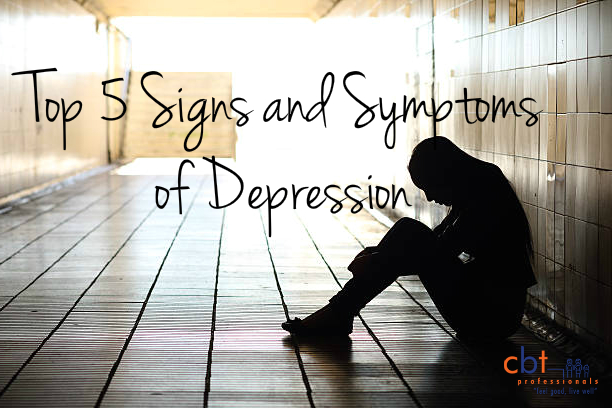
Described as the black dog, a dark cloud, a black hole, or an endless pit, depression is often portrayed as an all-consuming emotional state that feels impossible to escape.
Although frequently mentioned in conversation, depression is often accompanied by stigma, shame, and misunderstanding, rather than compassion and support.
Depression is likely to touch most of us, either directly or indirectly. Yet it remains misunderstood and hidden, leaving many unsure of how to recognise it. Identifying clinical depression versus normal sadness or temporary low mood is crucial to ensure individuals get the support they need.
This article outlines the top 5 signs and symptoms of depression.
1. Persistent Low Mood
Feeling very low, down, or flat most of the time — for more days than not — may indicate Major Depression (clinical depression). Other common emotions include:
- Guilt or shame
- Agitation or restlessness
- Hopelessness or emptiness
This state is not something that can be “snapped out of” with positive thinking. For those experiencing depression, these feelings are overwhelming and uncontrollable, often leaving them lost, powerless, and unable to cope.
2. Loss of Motivation and Energy
A hallmark of depression is fatigue and low motivation. Activities once enjoyed may no longer feel interesting, leading to:
- Withdrawal from hobbies, social groups, or sports
- Social isolation
- Reduced engagement in daily life
This lack of activity can perpetuate depression, as under-stimulation provides fertile ground for negative emotions to intensify.
3. Over-Thinking and Negative Patterns
Depression often involves persistent rumination — reliving past events, over-analysing situations, and worrying excessively about the future.
Characteristic patterns include:
- Pessimistic thinking
- Rigid or inflexible thought processes
- Overthinking small or large decisions
These negative thought patterns can feel inescapable, reinforcing low mood and self-criticism.
4. Physical and Cognitive Symptoms
Depression impacts the body and mind as well as emotions. Common symptoms include:
- Changes in sleep (over- or under-sleeping)
- Changes in appetite (increase or decrease)
- Difficulty concentrating, planning, organising, or problem-solving
These challenges can affect work, home life, and relationships, creating additional stress and functional difficulties.
5. Despair and Hopelessness
If depression persists, it can lead to a profound sense of despair and hopelessness about the future. Common thoughts may include:
- “Will I ever feel like myself again?”
- “I’m trapped and there’s no way out.”
- “I’m a burden to my family.”
- “They’d be better off without me.”
In severe cases, these feelings can increase the risk of self-harm or suicide, highlighting the importance of early recognition and support.
Seeking Help for Depression
If you or someone you know relates to these signs, it is crucial to seek professional assessment and treatment. A psychologist can provide evidence-based interventions tailored to your needs, such as:
- Cognitive Behavioural Therapy (CBT)
- Mindfulness-based therapy
- Lifestyle and behavioural strategies
You can read more about the types of treatment available for depression here.
THREE CONVENIENT LOCATIONS
MOUNT GRAVATT
Mt Gravatt Medical PrecinctSE 105, 1808 Logan Rd
Upper Mount Gravatt QLD 4122
1 Comment
Hi! Many thanks 🙂 Really enjoyed reading this page.