

Obsessive Compulsive Disorder (OCD)
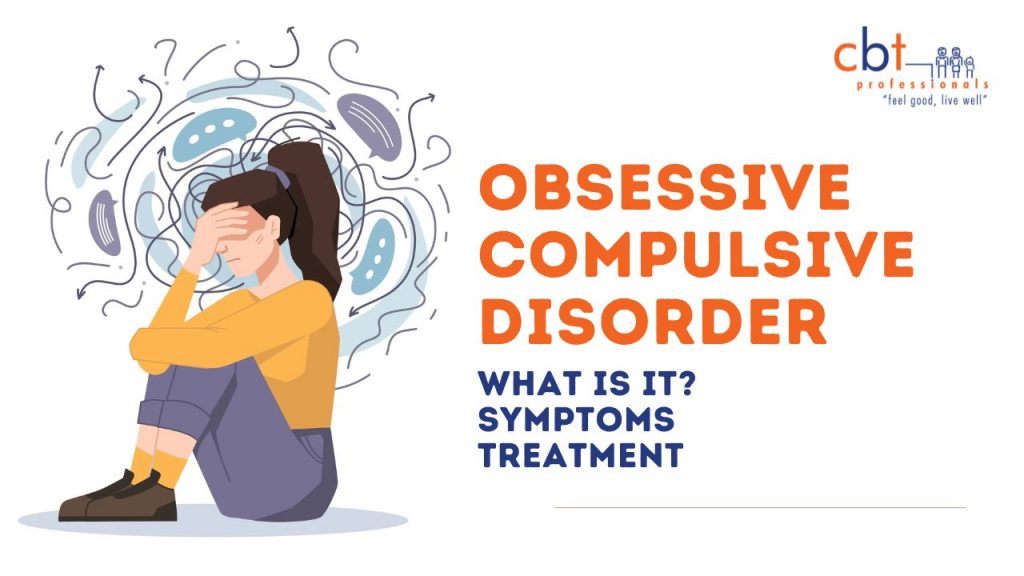
Obsessive Compulsive Disorder (OCD) is a common anxiety-related mental health condition. In fact, research suggests that approximately 2–3% of the population experience OCD, which equates to around 500,000 Australians.
OCD typically develops in late childhood or early adolescence. However, it can continue into adulthood if left untreated.
Importantly, OCD is characterised by two key components:
- Obsessions (intrusive, unwanted thoughts, images, or urges)
- Compulsions (repetitive behaviours or mental acts performed to reduce anxiety)
As a result, individuals often feel trapped in a cycle of anxiety and relief that repeats over time.
What Happens in OCD?
Obsessions are distressing and unwanted thoughts that feel difficult to control. Consequently, individuals may feel compelled to perform certain behaviours or rituals to reduce anxiety or prevent feared outcomes.
However, this relief is usually temporary. Therefore, the cycle often continues, reinforcing the anxiety and compulsive behaviours over time.
In addition, some individuals may try to suppress or avoid these thoughts altogether. This is known as avoidance, which may provide short-term relief but often increases anxiety in the long term.
Over time, avoidance can significantly impact daily functioning, relationships, work, and social life.
How OCD Can Affect Daily Life
OCD can range from mild to severe. In more complex cases, it may:
- Disrupt daily routines such as eating, reading, or shopping
- Make it difficult to attend school or work
- Impact friendships and relationships
- Lead to avoidance of certain places or situations
- In some cases, result in staying at home due to distress
Therefore, early recognition and support are extremely important.
Common Obsessions in OCD
Obsessions are often exaggerated versions of normal worries. However, in OCD they become persistent and distressing.
Common types include:
Contamination fears
- Germs, dirt, toxins, or illness
Harm-related fears
- Fear of harming oneself or others
- Fear of accidents, illness, or death
Symmetry and order
- Need for exactness or alignment
- Distress when things feel “out of place”
Intrusive thoughts
- Unwanted images or thoughts involving violence, accidents, or taboo themes
Excessive responsibility fears
- Feeling responsible for preventing harm
Common Compulsions in OCD
Compulsions are behaviours or mental acts performed to reduce anxiety. However, they often reinforce the OCD cycle.
Common compulsions include:
- Excessive handwashing or cleaning
- Repeated checking (locks, appliances, safety concerns)
- Counting or repeating actions
- Arranging items in a specific order or symmetry
- Rewriting, rereading, or redoing tasks
- Touching or tapping objects a certain number of times
- Avoidance of triggers or anxiety-inducing situations
What Causes OCD?
Although the exact cause is not fully understood, OCD is believed to result from a combination of:
- Genetic factors
- Brain structure and function differences
- Neurochemical (serotonin) imbalances
- Environmental stressors
Importantly, OCD is not caused by personality weakness or parenting style.
Related Mental Health Conditions
In addition, individuals with OCD may also experience:
- Generalised anxiety disorder
- Depression
- Eating disorders
- Substance use difficulties
Therefore, a comprehensive treatment approach is often recommended.
Effective Treatment for OCD
The good news is that OCD is treatable, and many people experience significant improvement with the right support.
Treatment may include:
- Psychological therapy
- Cognitive Behaviour Therapy (CBT)
- Exposure and Response Prevention (ERP)
- Medication (in some cases)
- Anxiety management strategies
Cognitive Behaviour Therapy (CBT) for OCD
CBT is one of the most effective treatments for OCD.
Specifically, CBT works by helping individuals:
- Understand the link between thoughts, feelings, and behaviours
- Challenge unhelpful thinking patterns
- Reduce compulsive behaviours over time
A key part of CBT for OCD is Exposure and Response Prevention (ERP).
What is ERP Therapy?
ERP involves gradually exposing a person to feared thoughts, situations, or triggers.
At the same time, the individual is supported to resist performing compulsions.
As a result, anxiety gradually reduces over time, and the brain learns that feared outcomes are unlikely.
Although this process can feel challenging at first, it is highly effective when guided by a trained clinician.
Medication for OCD
In some cases, medication such as selective serotonin reuptake inhibitors (SSRIs) may be recommended.
However, medication should always be discussed with a GP or psychiatrist to understand benefits, risks, and suitability.
Anxiety Management Strategies for OCD
In addition to therapy, individuals may benefit from:
- Relaxation techniques
- Mindfulness strategies
- Slow breathing exercises
- Stress management skills
- Grounding techniques
Importantly, these strategies are most effective when used alongside CBT or ERP.
How CBT Professionals Can Help
At CBT Professionals, we provide evidence-based treatment for OCD and related anxiety disorders.
Our psychologists can support you with:
- OCD assessment and diagnosis
- Cognitive Behaviour Therapy (CBT)
- Exposure and Response Prevention (ERP)
- Anxiety management strategies
- Support for related mental health concerns
We aim to help individuals regain control, reduce distress, and improve quality of life.
📍 Our clinics are located in:
- Mount Gravatt (Brisbane) : (07) 3102 1366
- Nerang (Gold Coast) : (07) 5668 3490
- Helensvale : (07) 5551 0251
Getting Started with Treatment
If you are considering support, the first step is often speaking with your GP about a Mental Health Care Plan, which may provide Medicare rebates for sessions.
Alternatively, you can book privately or contact our team directly to arrange an appointment.
When to Seek Help
You may benefit from professional support if:
- Intrusive thoughts are impacting daily life
- Compulsive behaviours feel difficult to control
- Anxiety is increasing over time
- Avoidance is limiting your lifestyle
- You feel stuck in repetitive behavioural cycles
Early intervention can significantly improve outcomes.
FAQs
What is obsessive compulsive disorder (OCD)?
OCD is an anxiety disorder involving unwanted intrusive thoughts (obsessions) and repetitive behaviours (compulsions).
What are common symptoms of OCD?
Symptoms include intrusive thoughts, excessive cleaning, checking behaviours, counting, and a strong need for order or symmetry.
What causes OCD?
OCD is linked to genetic, neurological, and brain chemistry factors. It is not caused by parenting or personality.
How is OCD treated?
OCD is commonly treated with CBT, especially Exposure and Response Prevention (ERP), and sometimes medication.
Can OCD go away on its own?
Without treatment, OCD symptoms may persist or worsen. However, effective therapy can significantly reduce symptoms.
What is ERP therapy?
ERP is a type of CBT that involves gradually facing fears while resisting compulsive behaviours to reduce anxiety over time.
THREE CONVENIENT LOCATIONS
MOUNT GRAVATT
Mt Gravatt Medical PrecinctSE 105, 1808 Logan Rd
Upper Mount Gravatt QLD 4122