

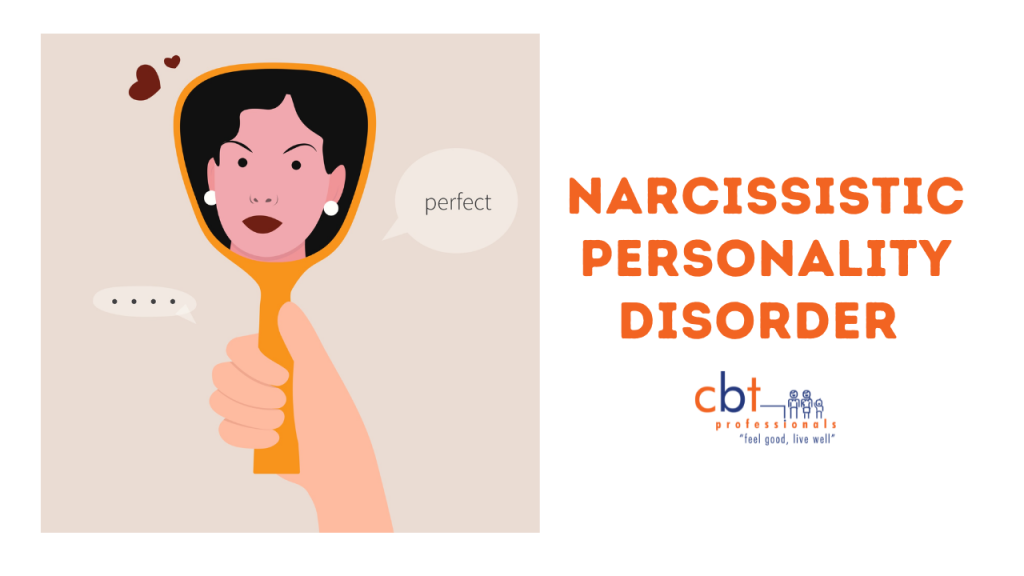
Narcissistic Personality Disorder (NPD)
You’ve just entered a new relationship. At first, everything feels exciting. They are charming, confident, attentive, and seem to make you feel special.
But over time, something shifts.
You begin to notice patterns that feel confusing—self-centred behaviour, lack of empathy, emotional distance, or even subtle manipulation.
This can leave you wondering:
“Am I dating someone with narcissistic personality traits?”
While only a qualified mental health professional can diagnose Narcissistic Personality Disorder (NPD), understanding the signs can help you make sense of your experience and protect your emotional wellbeing.
What is Narcissistic Personality Disorder (NPD)?
Narcissistic Personality Disorder is a recognised mental health condition characterised by:
- An inflated sense of self-importance
- A strong need for admiration
- A lack of empathy for others
- Difficulty handling criticism or rejection
People with narcissistic traits may appear confident on the outside, but often struggle with deep insecurity underneath.
They may present as charming, persuasive, and socially skilled—especially in the early stages of relationships.
However, over time, patterns of emotional disregard, entitlement, and manipulation may emerge.
Why Narcissists Can Be Hard to Spot Early
One of the most confusing aspects of narcissistic traits is that they are often hidden at the beginning.
In early dating stages, individuals with narcissistic traits may:
- Appear highly confident and charismatic
- Make you feel “chosen” or uniquely special
- Move relationships forward quickly
- Mirror your interests and values
This creates a strong emotional connection that can feel intense and exciting.
However, this stage is often driven by idealisation rather than genuine emotional intimacy.
Key Signs of Narcissistic Personality Traits in Relationships
1. Lack of Empathy
They may struggle to understand or care about your feelings. Emotional conversations may be dismissed, minimised, or redirected back to themselves.
2. Sense of Entitlement
They may expect special treatment, compliance, or admiration without considering your needs or boundaries.
3. Exploitation of Others
People may be viewed as useful only when they serve a purpose. Relationships can feel one-sided or transactional.
4. Need for Constant Admiration
Compliments are never enough. They may constantly seek validation, attention, or reassurance from others.
5. Difficulty Accepting Criticism
Even gentle feedback may be met with defensiveness, anger, withdrawal, or blame-shifting.
6. Grandiose Self-Image
They may exaggerate achievements, status, or abilities, and often position themselves as superior to others.
7. Emotional Manipulation
This may include guilt-tripping, silent treatment, gaslighting, or making you feel responsible for their emotions.
How to Spot a Narcissist Early
While it is not always obvious, there are early behavioural patterns to look out for:
- Do conversations frequently revolve around them?
- Do they lack curiosity about your emotional experiences?
- Do they become uncomfortable when not the centre of attention?
- Do they struggle to show vulnerability?
- Do they frequently exaggerate achievements or stories?
- Do they respond poorly to even mild disagreement?
These patterns alone do not confirm NPD, but they may indicate unhealthy relational dynamics.
The Emotional Impact of Being in a Relationship with Narcissistic Traits
Being in a relationship with someone who shows strong narcissistic traits can lead to:
- Emotional exhaustion
- Confusion and self-doubt
- Reduced self-esteem
- Anxiety in relationships
- Feeling “not enough” or overly responsible for others
Over time, this can significantly impact mental health and emotional stability.
How to Protect Yourself in the Relationship
1. Remove the “Rose-Coloured Glasses”
Focus on behaviour, not potential. Ask yourself how you feel consistently—not just during the good moments.
2. Strengthen Your Boundaries
Clear boundaries help protect your emotional wellbeing. If boundaries are repeatedly ignored, this is important information.
3. Reconnect with Your Identity
Focus on your goals, friendships, values, and interests outside the relationship.
4. Trust Patterns Over Promises
Change is only meaningful when consistent and long-term—not based on apologies or temporary behaviour shifts.
5. Seek External Support
Talking to a psychologist can help you understand the relationship dynamic clearly and safely.
When to Seek Professional Support
You may benefit from professional support if you are:
- Feeling confused or emotionally overwhelmed in your relationship
- Struggling to set or maintain boundaries
- Recovering from a previous emotionally harmful relationship
- Questioning your self-worth due to a partner’s behaviour
- Noticing patterns of manipulation or control
Therapy can help you rebuild clarity, confidence, and emotional resilience.
How CBT Professionals Can Help
At CBT Professionals, our psychologists provide support for individuals navigating complex or emotionally challenging relationships.
We can help you:
- Understand unhealthy relationship patterns
- Build strong emotional boundaries
- Improve self-esteem and confidence
- Recover from emotionally abusive dynamics
- Develop coping strategies using Cognitive Behavioural Therapy (CBT)
You can access support at our clinics or via telehealth:
- Mount Gravatt (Brisbane)
- Nerang (Gold Coast)
- Coomera (Gold Coast)
📞 Contact us today or complete a referral form to book your first appointment.
FAQ
What are the signs of narcissistic personality disorder in a relationship?
Common signs include lack of empathy, entitlement, need for admiration, emotional manipulation, and difficulty accepting criticism.
Can a narcissist love someone?
People with narcissistic traits may experience attachment, but emotional connection can be inconsistent and often centred around their own needs.
How do narcissists behave at the start of a relationship?
They are often highly charming, attentive, and idealising. This stage can feel intense and fast-moving.
Can narcissistic behaviour change?
Change is possible but often difficult, as individuals with strong narcissistic traits may resist self-reflection or accountability.
How do I protect myself from a narcissistic partner?
Setting clear boundaries, trusting behavioural patterns, and seeking professional support are key protective strategies.
Should I leave a relationship with a narcissist?
This depends on your circumstances. Speaking with a psychologist can help you make a safe, informed decision based on your wellbeing.
THREE CONVENIENT LOCATIONS
MOUNT GRAVATT
Mt Gravatt Medical PrecinctSE 105, 1808 Logan Rd
Upper Mount Gravatt QLD 4122