

How to Help Your Child Deal with Bullying
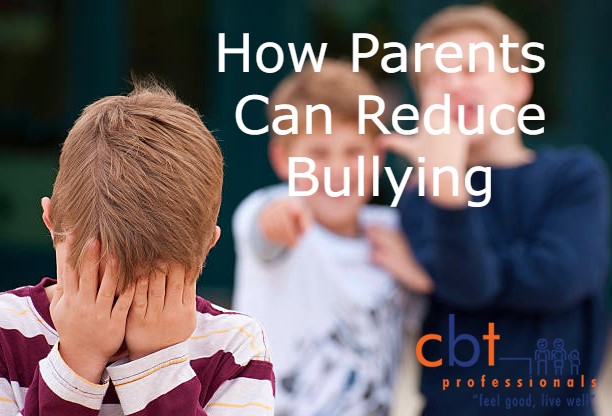
Bullying is a challenge many children face at some point during their school years. Whether it’s verbal, physical, or online, bullying can significantly impact a child’s confidence, mental health, and sense of safety.
As a parent, you play a vital role in helping your child both prevent bullying behaviours and respond effectively if they are being bullied.
This guide explores practical, evidence-based strategies to support your child, while also highlighting when professional help from a child psychologist may be beneficial.
Two Key Ways Parents Can Reduce Bullying
There are two important approaches every parent can take:
1. Teach Your Child Not to Bully Others
Helping your child develop empathy, emotional awareness, and respectful communication reduces the likelihood of them engaging in bullying behaviours.
Children who understand the impact of their actions are more likely to:
-
Build positive friendships
-
Be respected by peers and adults
-
Develop strong emotional intelligence
This sets the foundation for healthy social development and long-term wellbeing.
2. Help Your Child Deal with Bullying Effectively
Equipping your child with the right tools to respond to bullying can make a significant difference in how they cope and recover.
Key skills include:
-
Assertiveness – expressing themselves confidently without aggression
-
Emotional regulation – managing distressing feelings
-
Problem-solving – knowing when and how to seek help
-
Resilience – bouncing back from difficult experiences
These skills not only help with bullying but also support your child throughout life.
Signs Your Child May Be Experiencing Bullying
Some children may not openly talk about bullying. Look out for signs such as:
-
Avoiding school or social situations
-
Changes in mood (anxiety, sadness, irritability)
-
Loss of confidence or self-esteem
-
Sleep difficulties or physical complaints (e.g. headaches, stomach aches)
-
Withdrawal from friends or family
Early support can prevent longer-term emotional difficulties.
How a Child Psychologist Can Help
Working with a qualified child psychologist can provide tailored support for both children and parents.
Therapy may help your child:
-
Challenge unhelpful thinking patterns
-
Build confidence and assertiveness
-
Develop coping strategies for anxiety and stress
-
Improve social skills and communication
Parents can also benefit from guidance on how to:
-
Respond effectively to bullying situations
-
Support their child’s emotional needs
-
Encourage resilience and independence
When to Seek Professional Support
You may want to consider professional support if:
-
Bullying is ongoing or escalating
-
Your child shows signs of anxiety, depression, or withdrawal
-
Your child struggles to stand up for themselves
-
The situation is impacting school attendance or performance
Early intervention can make a significant difference in your child’s wellbeing.
Practical Tips for Parents
Here are simple, effective strategies you can start today:
-
Keep communication open and judgement-free
-
Reassure your child that bullying is not their fault
-
Role-play assertive responses together
-
Encourage supportive friendships
-
Work collaboratively with your child’s school
-
Model calm and confident behaviour
Call to Action
If you’re concerned about your child and would like professional support, our experienced team is here to help.
Download our Referral Fact Sheet and bring it to your GP to access support through a long consultation.
Alternatively, contact our clinic today to learn how we can support your child’s confidence, resilience, and wellbeing.
FAQs
How can I help my child if they are being bullied?
Start by listening calmly and validating their feelings. Teach assertive responses, involve the school if needed, and consider professional support if the bullying persists.
What are the signs of bullying in children?
Common signs include withdrawal, anxiety, school avoidance, low self-esteem, and unexplained physical complaints like headaches or stomach aches.
Should I talk to the school about bullying?
Yes. Schools play a key role in managing bullying. Collaborate with teachers or school staff to ensure your child feels safe and supported.
Can therapy help a child who is being bullied?
Yes. A child psychologist can help your child build confidence, develop coping strategies, and improve assertiveness skills.
How do I teach my child to be more assertive?
You can practise role-playing, encourage clear communication, and reinforce that it’s okay to stand up for themselves respectfully.
THREE CONVENIENT LOCATIONS
MOUNT GRAVATT
Mt Gravatt Medical PrecinctSE 105, 1808 Logan Rd
Upper Mount Gravatt QLD 4122