

Facebook and Depression
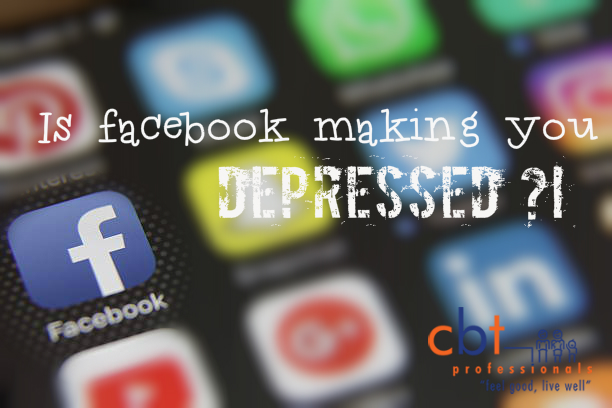
How Social Media, Especially Facebook, Can Affect Mental Health
Social media has become a major part of daily life, with Facebook remaining one of the most widely used platforms globally.
With billions of users engaging each month, it provides a way to stay connected with friends, family, and communities.
However, research has also linked frequent social media use with:
- Low mood
- Social comparison
- Jealousy
- Reduced self-esteem
- Feelings of isolation
- Depressive symptoms
While Facebook itself does not “cause” depression, the way it is used can sometimes contribute to or intensify existing emotional difficulties.
Signs and Symptoms of Depression
Depression can affect how a person thinks, feels, behaves, and functions physically. Symptoms vary from person to person.
Behavioural Changes
- Withdrawing from friends and family
- Avoiding usual activities
- Reduced performance at work or school
- Difficulty concentrating
- Changes in sleep patterns (sleeping too much or too little)
- Changes in appetite
- Increased reliance on alcohol or sedatives
Emotional Changes
- Feeling overwhelmed
- Persistent sadness or low mood
- Irritability or frustration
- Loss of confidence
- Feelings of guilt or worthlessness
- Lack of enjoyment or interest
- Feeling indecisive or “stuck”
Thought Patterns
- “I’m a failure.”
- “Nothing ever goes right for me.”
- “It’s all my fault.”
- “I’m not good enough.”
- “Life isn’t worth it.”
- “People would be better off without me.”
Physical Symptoms
- Constant fatigue or low energy
- Headaches or muscle tension
- Digestive discomfort
- Changes in weight
- Feeling physically run down
How to Tell If Facebook Is Affecting Your Mood
Social media use may be negatively impacting wellbeing if you notice:
- Feeling worse after using Facebook
- Comparing yourself to others frequently
- Feeling jealous, inadequate, or left out
- Dwelling on perceived failures or social comparison
- Increased irritability or sadness after scrolling
If these patterns feel familiar, it may be worth reflecting on your usage habits.
Why Social Media Can Affect Mood
Social media often presents a highly curated version of life.
People tend to share:
- Highlights rather than struggles
- Positive experiences over difficult ones
- Edited or idealised images
This can unintentionally lead to:
- Unrealistic comparisons
- Distorted perceptions of others’ lives
- Increased self-criticism
- Feelings of “not measuring up”
CBT-Informed Tips for Healthier Facebook Use
Cognitive Behavioural Therapy (CBT) can help you develop more balanced and mindful social media habits.
1. Set Time Boundaries
- Limit daily Facebook use
- Schedule “social media-free” periods or days
- Avoid scrolling when already feeling low
2. Reduce Triggers and Notifications
- Turn off non-essential notifications
- Reduce constant prompts to check your feed
- Create intentional rather than reactive use
3. Challenge Social Comparison Thoughts
When you notice comparison thoughts, ask:
- “Am I seeing the full picture?”
- “Is this a realistic comparison?”
- “What might I not be seeing?”
4. Reframe What You See Online
Remind yourself:
- Social media is a highlight reel, not reality
- Everyone experiences challenges, even if not shown online
5. Focus on Offline Connection
Balance online interaction with:
- Face-to-face relationships
- Meaningful activities
- Rest and self-care
When to Seek Support
If low mood, anxiety, or depressive symptoms persist, professional support can help.
A GP or psychologist can assist with:
- Understanding mood changes
- Developing coping strategies
- Addressing negative thinking patterns
- Supporting recovery through CBT
Call to Action
If you are struggling with low mood or feel your social media use is impacting your mental health, support is available.
👉 Book an appointment with our clinical psychologists to learn practical CBT strategies for managing depression, anxiety, and digital wellbeing.
We support adults, adolescents, and families through in-person and telehealth appointments.
Frequently Asked Questions (FAQ)
Can Facebook cause depression?
Facebook does not directly cause depression, but excessive or unhelpful use can contribute to low mood and negative thinking patterns.
Why do I feel worse after using social media?
Social comparison, exposure to curated content, and passive scrolling can negatively impact self-esteem and mood.
How much social media use is too much?
It varies, but if it consistently affects your mood, sleep, or daily functioning, it may be worth reducing use.
Can taking a break from Facebook help mental health?
Yes, many people experience improved mood, focus, and wellbeing when taking breaks from social media.
What should I do if I think I’m depressed?
Speak to a GP or psychologist. Evidence-based treatments like CBT are highly effective for depression.
THREE CONVENIENT LOCATIONS
MOUNT GRAVATT
Mt Gravatt Medical PrecinctSE 105, 1808 Logan Rd
Upper Mount Gravatt QLD 4122