

Anorexia Nervosa: Risk Factors and Treatment
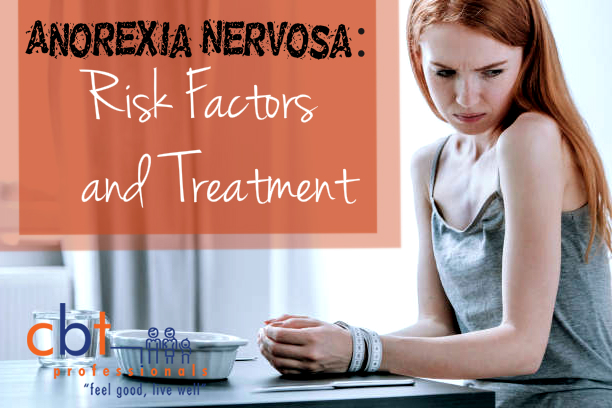
Anorexia Nervosa is a serious psychological disorder characterised by an intense fear of gaining weight and a persistent desire to be thinner, even when underweight. Initially, this may begin as a seemingly harmless wish to lose a little weight, but over time it can become highly restrictive eating behaviours and an obsession with body image and control.
People with anorexia often starve themselves despite hunger, and the condition can result in extreme emaciation, serious medical complications, and, in severe cases, death.
Diagnostic Criteria for Anorexia Nervosa
According to the DSM-5, the core criteria for Anorexia Nervosa include:
- Restricted energy intake relative to requirements, leading to significantly low body weight.
- Intense fear of weight gain or persistent behaviours that prevent weight gain, despite being underweight.
- Disturbances in body image, undue influence of weight on self-esteem, or lack of recognition of the seriousness of low weight.
Typically, a BMI below 17 kg/m² is observed. People with anorexia may engage in binge-eating and purging, or primarily restrictive behaviours such as fasting, dietary restriction, or excessive exercise. Other physical signs include:
- Menstrual disturbance in women, loss of libido in men
- Low energy, dizziness, fainting
- Lanugo (fine hair on body or face)
- Dry or cracked skin, pale complexion
- Digestive issues, sleep difficulties
You can check BMI here: Anorexic BMI Calculator.
Prevalence of Anorexia in Australia
- Eating disorders affect ~4% of Australians, with anorexia accounting for approximately 3% of cases
- Over 25,000 Australians were estimated to have anorexia in 2012
- Mortality risk for women with anorexia is 6–12 times higher than the general population—the highest among psychiatric disorders
- Female-to-male ratio: 10:1
- Many individuals with anorexia also experience comorbid conditions such as anxiety or depression
Anorexia vs Bulimia: Key Differences
While anorexia and bulimia share some similarities, such as preoccupation with body shape and weight, there are important distinctions:
- Weight: Anorexia involves significantly low body weight; bulimia often occurs at normal weight
- Awareness: Bulimia patients are usually aware of the problem but feel shame; anorexia patients often deny their behaviours and take pride in control
- Control: Bulimia is characterised by distress over lack of control; anorexia is driven by rigid self-control
- Overlap: Some individuals may display behaviours of both disorders or other eating disorders not neatly classified
Psychological and Behavioural Maintaining Processes
Anorexia is a cognitive disorder where self-worth is predominantly evaluated through body shape and weight. Common maintaining factors include:
- Perfectionism: Extreme focus on achieving control over weight and appearance
- Dysfunctional self-talk: e.g., “I must be perfect and in control”
- Interpersonal difficulties: Poor social support or relationship issues
- Emotional regulation difficulties: Lower tolerance for stress, anxiety, or depression
Behavioural maintaining strategies often include:
- Fasting or severe dietary restriction
- Excessive exercise
- Secrecy around food or hiding meals
- Purging (vomiting, laxatives, diuretics)
- Compulsive monitoring of weight and body shape
The Cycle of Anorexia
Anorexia often begins in early to mid-adolescence:
- Initial dietary restriction aimed at weight loss
- Increasing rigidity and compulsive control over food, exercise, and behaviour
- Episodes of binge-eating and compensatory purging in response to starvation
- Obsessive self-monitoring via mirrors, scales, or reflections
- Starvation becomes self-rewarding, reinforcing restrictive behaviours
This cycle reinforces distorted perceptions of weight, shape, and self-worth, making intervention essential.
Health Consequences of Anorexia Nervosa
Serious physical complications include:
- Tooth enamel erosion
- Digestive issues, constipation, abdominal pain
- Anaemia and compromised immunity
- Amenorrhea and infertility
- Hypothermia and lanugo
- Cardiovascular and kidney impairments
- Osteopenia and osteoporosis
- Electrolyte imbalances
- Organ failure and death
Treatment for Anorexia Nervosa
Effective treatment is multidisciplinary, often including:
- Cognitive Behavioural Therapy (CBT-E or CBT-AN): Focuses on identifying and changing maladaptive thoughts, emotions, and behaviours
- Interpersonal Psychotherapy (IPT): Supports relationship and social functioning
- Family-Based Therapy (FBT): Particularly effective for adolescents, involving family in recovery
- Dietetic support and medical monitoring: Ensures safe weight restoration and nutritional balance
Treatment begins with assessment, exploring maintaining factors such as maladaptive thoughts (“My body is never good enough”), emotional triggers (stress, anxiety, depression), and behavioural patterns (fasting, excessive exercise).
Therapy includes:
- Thought, emotion, and behaviour monitoring
- Structured weigh-ins and meal supervision
- Strategies to manage urges and emotional distress
- Relapse prevention planning
- Ongoing support from a psychologist, dietician, and medical team
Recovery is a gradual process and often requires long-term support.
Call to Action
If you suspect you or a loved one may be experiencing anorexia or another eating disorder, speak with your GP and request a referral to a psychologist experienced in eating disorders.
At CBT Professionals, our multi-disciplinary team at the Nerang clinic offers integrated outpatient treatment, including psychologists, dietitians, and medical oversight, to support recovery from anorexia nervosa.
FAQs
What is anorexia nervosa?
A serious psychological disorder characterised by extreme restriction of food intake, intense fear of gaining weight, and distorted body image.
What are the signs of anorexia?
Signs include extreme weight loss, dietary restriction, excessive exercise, binge-purge behaviours, low energy, dizziness, lanugo, and disrupted menstrual cycles.
What causes anorexia?
Anorexia arises from a combination of psychological, behavioural, and biological factors, including perfectionism, cognitive distortions, emotional regulation difficulties, and societal pressures.
How is anorexia treated?
Treatment is typically multi-disciplinary, including CBT, family-based therapy, dietetic support, and medical monitoring to restore healthy weight and address psychological maintaining factors.
Can anorexia be life-threatening?
Yes. Anorexia has the highest mortality risk of all psychiatric disorders due to medical complications and suicide risk, making early intervention critical.
THREE CONVENIENT LOCATIONS
MOUNT GRAVATT
Mt Gravatt Medical PrecinctSE 105, 1808 Logan Rd
Upper Mount Gravatt QLD 4122