

Adult ADHD and Relationships
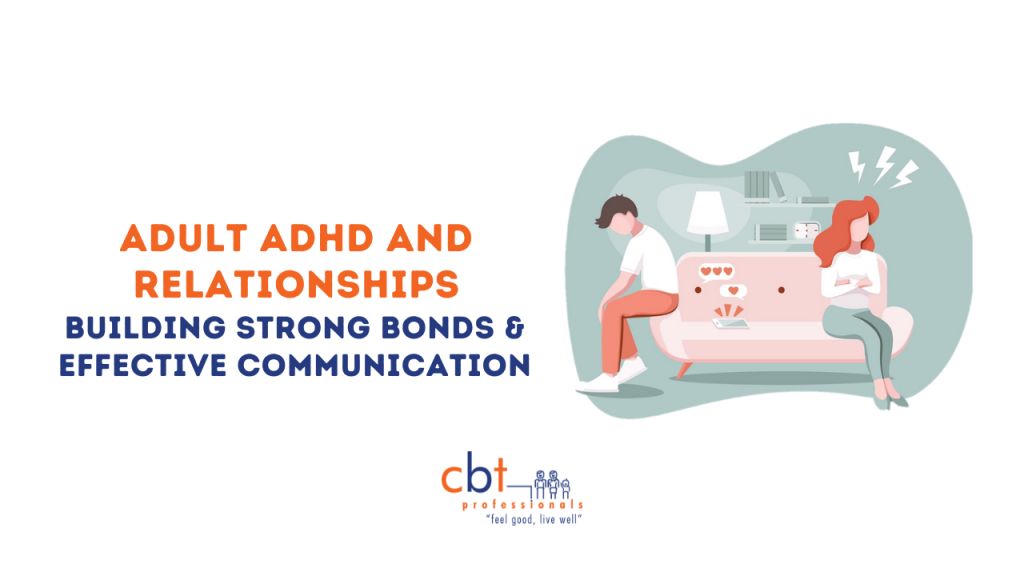
Attention Deficit Hyperactivity Disorder (ADHD) is a neurodevelopmental condition that often begins in childhood but can continue into adulthood. While it is commonly associated with difficulties in attention and impulsivity, ADHD can also significantly influence romantic relationships, communication patterns, and emotional connection.
Many adults with ADHD are not diagnosed until later in life, meaning relationship challenges may have existed for years without a clear explanation.
Understanding how ADHD influences relationship dynamics is the first step towards building stronger, more supportive connections.
What Adult ADHD Looks Like in Daily Life
Adult ADHD typically involves difficulties with executive functioning, which can impact:
- Attention and focus
- Organisation and time management
- Emotional regulation
- Impulse control
- Task completion
These challenges can vary in intensity and often fluctuate depending on stress, environment, and life demands.
How ADHD Can Affect Relationships
ADHD symptoms can influence relationships in several key ways:
Communication Difficulties
- Losing focus during conversations
- Interrupting or speaking impulsively
- Forgetting important discussions or commitments
Time and Organisation Challenges
- Difficulty managing shared responsibilities
- Forgetfulness around plans or financial tasks
- Procrastination affecting household routines
Emotional Regulation
- Heightened emotional reactions
- Frustration or overwhelm during conflict
- Rapid mood shifts under stress
Intimacy and Connection
- Difficulty sustaining shared attention
- Restlessness affecting quality time
- Impulsive decisions impacting trust
Strengths of ADHD in Relationships
While ADHD presents challenges, it is also associated with strengths that can enrich relationships, including:
- Creativity and spontaneity
- High energy and enthusiasm
- Strong emotional sensitivity
- Ability to think outside the box
When supported effectively, these traits can enhance connection and relationship satisfaction.
Strategies for Building Stronger ADHD Relationships
1. Build Awareness and Education
Understanding ADHD as a neurodevelopmental condition (not a personality flaw) helps reduce blame and increases empathy between partners.
2. Improve Communication Patterns
- Use calm, direct communication
- Repeat or clarify key points
- Check understanding during conversations
3. Use Structure and External Supports
- Shared calendars and reminders
- Breaking tasks into smaller steps
- Creating predictable routines
4. Develop Emotional Regulation Skills
- Pause during conflict when overwhelmed
- Use grounding or breathing techniques
- Recognise emotional triggers early
5. Practise Flexibility and Compromise
Relationships involving ADHD often benefit from adapting expectations rather than enforcing rigid routines.
6. Seek Professional Support
Psychological therapy can help couples develop:
- Communication strategies
- Emotional regulation tools
- Conflict resolution skills
- ADHD management strategies
Enhancing Communication in ADHD Relationships
Effective communication is essential for reducing misunderstandings and building trust.
Active Listening
Give full attention without interrupting and reflect back what your partner has said.
Use “I” Statements
For example:
“I feel overwhelmed when plans change suddenly” instead of blame-based language.
Clarify Meaning
Repeat key points to ensure understanding and reduce misinterpretation.
Set Healthy Boundaries
Discuss expectations openly around time, responsibilities, and emotional needs.
Take Breaks When Needed
Pause conversations during heightened emotion and return when calmer.
When to Seek Support
Professional support may be helpful when ADHD symptoms:
- Cause repeated relationship conflict
- Affect emotional closeness or trust
- Lead to ongoing miscommunication
- Impact daily functioning as a couple
Therapy can provide structured tools to improve understanding and connection.
FAQs
Can ADHD affect romantic relationships?
Yes. ADHD can influence communication, emotional regulation, and organisation within relationships.
What are common ADHD relationship problems?
Common challenges include forgetfulness, impulsivity, emotional reactivity, and time management difficulties.
Can couples therapy help ADHD relationships?
Yes. Couples therapy can improve communication, reduce conflict, and strengthen emotional connection.
Is ADHD a reason for relationship breakdown?
No. With awareness and support, many couples successfully manage ADHD-related challenges.
Do ADHD relationships need different strategies?
Yes. Structured communication and external supports often improve relationship functioning.
Call to Action
If ADHD is impacting your relationship, support is available. With the right strategies and professional guidance, couples can build stronger, more connected relationships.
📞 Contact CBT Professionals to book an appointment at your nearest clinic.
Helensvale: (07) 5551 0251
Mount Gravatt: (07) 3102 1366
Nerang: (07) 5668 3490
THREE CONVENIENT LOCATIONS
MOUNT GRAVATT
Mt Gravatt Medical PrecinctSE 105, 1808 Logan Rd
Upper Mount Gravatt QLD 4122