

Treatment of Child Anxiety
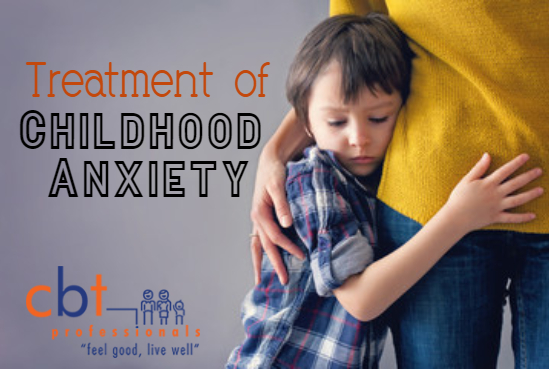
Anxiety is a natural, fear-based emotion experienced by all humans, including children. Like other emotions, it serves an important function — helping us recognise danger and stay safe.
However, anxiety can become unhelpful when it is triggered too frequently or intensely, leading to avoidance, distress, and reduced confidence in everyday life.
For children, anxiety may interfere with school, friendships, sleep, and overall wellbeing. This article explores:
- Why children experience anxiety
- Common fear-based thought patterns
- Signs anxiety may require support
- When to seek help from a psychologist
- How treatment can support emotional wellbeing
Why Do Children Experience Anxiety?
Childhood anxiety often develops from fear-based thinking patterns, which may be learned from experiences, environments, or modelling from others.
These thoughts are typically automatic and may include:
- “Something bad will happen”
- “I’m not good enough”
- “I can’t do it”
- “I will fail or embarrass myself”
When a child believes these thoughts, the brain perceives threat, activating anxiety responses such as worry, avoidance, or physical symptoms.
How Anxiety Affects Children
When anxiety becomes persistent, it can impact a child’s ability to function across multiple areas of life.
Common effects include:
- Difficulty sleeping or bedtime anxiety
- School refusal or avoidance
- Reduced concentration and learning difficulties
- Changes in appetite
- Withdrawal from friends or activities
- Irritability or emotional outbursts
- Low confidence or avoidance of challenges
When emotional arousal is high, it becomes harder for children to think rationally or challenge anxious thoughts. In these moments, calming the body and emotions is the first important step.
When Should You Seek Help for Child Anxiety?
Early support can make a significant difference in preventing anxiety from becoming more entrenched.
You may wish to consult a psychologist if:
- Anxiety is affecting sleep or daily routines
- Your child is avoiding school or social situations
- Worries are frequent, intense, or difficult to reassure
- Emotional distress is impacting family life
- Your child’s confidence or mood is declining
Prevention is just as important as treatment. Early intervention can reduce the development of long-term avoidance patterns and support healthy emotional coping skills.
How Child Anxiety is Treated
Psychological support for child anxiety is tailored to the individual child and their needs.
A psychologist may help your child to:
Understand emotions
- Learn what anxiety is and why it happens
- Recognise early signs of worry in the body and mind
Manage anxious feelings
- Develop strategies to reduce emotional escalation
- Learn grounding and calming techniques
Change unhelpful thoughts
- Identify fear-based thinking patterns
- Challenge and reframe anxious thoughts
Build confidence and resilience
- Encourage gradual exposure to feared situations
- Strengthen coping skills and independence
- Support emotional regulation and self-belief
CBT (Cognitive Behavioural Therapy) is commonly used as an evidence-based approach to support children with anxiety.
Call to Action
If you are concerned about your child’s anxiety, early support can make a meaningful difference.
To access help:
- Download our Referral Fact Sheet
- Book a long consultation with your GP
- Request a referral to CBT Professionals
Our clinicians are here to support your child in building confidence, resilience, and emotional wellbeing.
FAQ
What causes anxiety in children?
Child anxiety is often caused by fear-based thinking patterns influenced by experiences, environment, or learned behaviours.
Is anxiety normal in children?
Yes. Anxiety is a normal emotion, but it can become problematic when it is frequent or interferes with daily life.
How do I know if my child has anxiety?
Signs may include avoidance, sleep difficulties, school refusal, irritability, or excessive worry.
When should I seek help for my child’s anxiety?
If anxiety is impacting school, friendships, sleep, or wellbeing, professional support may be helpful.
Can CBT help children with anxiety?
Yes. CBT is an evidence-based treatment that helps children understand and manage anxious thoughts and feelings.
Can childhood anxiety go away on its own?
Some children improve naturally, but early support can reduce long-term impact and build resilience.
THREE CONVENIENT LOCATIONS
MOUNT GRAVATT
Mt Gravatt Medical PrecinctSE 105, 1808 Logan Rd
Upper Mount Gravatt QLD 4122