

Positive Parenting Tips
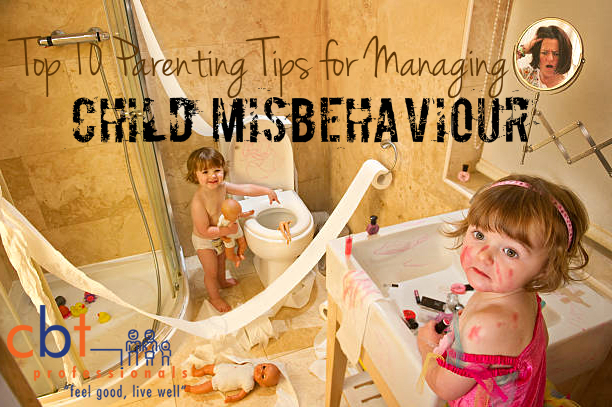
All children experience behavioural or emotional outbursts at some point. These reactions can be triggered by changes in family dynamics, routines, friendships, stress at school, illness, or even the emotional responses of their parents. While occasional misbehaviour is normal, consistent strategies can help children learn self-regulation and improve the parent-child relationship.
Below are practical tips based on positive parenting principles and behavioural therapy strategies to help you manage and prevent child misbehaviour.
Managing Child Misbehaviour
Maintaining composure is essential when addressing difficult behaviour. Here are key strategies:
1. Stay Calm
Remaining calm prevents arguments from escalating and reduces the likelihood of making threats you cannot follow through on. If you feel yourself losing patience, step away briefly to collect yourself before returning to the situation.
2. Ignore Minor Misbehaviours
Small behaviours such as whining, talking back, silly voices, or minor complaints can often be ignored. Clearly communicate the desired behaviour once, then focus on encouraging compliance. For example:
- “I can’t listen to that whining voice. I’ll listen when you use a calm voice.”
- “When you sit still, you can enjoy your dinner.”
3. Set Clear Warnings and Consequences
Offer a maximum of two reminders for your child to complete a task. If the behaviour continues, apply a consequence, such as removing a toy or implementing quiet time. After the consequence, guide your child back to completing the task. Consistency teaches children that you will follow through with what you say.
4. Use Achievable Consequences
Ensure that consequences are realistic. For example, if taking away a favourite item for a week feels unmanageable, shorten the duration to something you can enforce reliably.
5. Limit Arguments and Discussions
Avoid negotiating repeatedly. As the adult, your decision should be final. Ignore back-chatting and discontinue arguments calmly. Clear boundaries reduce confusion and reinforce expectations.
Preventing Child Misbehaviour
Proactive strategies can prevent misbehaviour before it occurs:
1. Praise Positive Behaviour
Notice and acknowledge when your child is behaving well. Use specific praise to reinforce good habits:
- “You did a great job packing your toys back into the box.”
2. Be Consistent
Follow through with consequences consistently. Predictable responses help children understand expectations and encourage self-regulation.
3. Schedule Regular Quality Time
Short periods of undivided attention, even five minutes, can strengthen the parent-child bond and improve behaviour over time.
4. Increase Positive Interactions
Simple gestures like smiling, making eye contact, giving light touch (high-fives or pats on the back), and sitting close to your child foster connection and emotional security.
5. Plan for High-Risk Situations
Prepare in advance for situations prone to misbehaviour, such as shopping trips or social outings. Establish clear rules and handle them consistently, just as you would at home.
Key Takeaway for Parents
If you remember one principle from this guide, let it be this:
Stay CALM and CONSISTENT with your parenting.
Consistency and composure are the foundations of effective behaviour management.
FAQs About Child Behaviour
Q1: Are tantrums normal at certain ages?
Yes. Behavioural outbursts are a normal part of child development, particularly during toddler and early school years.
Q2: How can I remain calm when my child is misbehaving?
Take deep breaths, step away if needed, and focus on responding rather than reacting. Consistent practice will help you stay composed over time.
Q3: What if my child ignores consequences?
Ensure that consequences are realistic and consistently applied. Children learn through repetition and predictable responses.
Q4: How can positive parenting reduce misbehaviour?
By providing praise, quality time, clear rules, and emotional support, children feel secure, valued, and more likely to follow behavioural expectations.
When to Seek Professional Support
If your child’s behaviour continues to be challenging or escalating, consulting a child psychologist can be beneficial. At CBT Professionals, our psychologists conduct thorough assessments to identify underlying causes of behavioural issues. Based on the assessment, we create an individualised treatment plan and work with families to improve harmony and communication.
For families on the Gold Coast, CBT Professionals offers services in Coomera, Nerang & Mount Gravatt, supporting children, teens, and their parents.
Next Step: Download our Psychologist Referral Fact Sheet to bring to your GP consultation. This sheet provides all necessary details to obtain a referral to a child psychologist.
Helensvale: (07) 5551 0251
Mount Gravatt: (07) 3102 1366
Nerang: (07) 5668 3490
Disclaimer: Content on this website is provided for education and information purposes only and is not intended to replace advise from your doctor or registered health professional. Readers are urged to consult their registered practitioner for diagnosis and treatment for their medical concerns.
THREE CONVENIENT LOCATIONS
MOUNT GRAVATT
Mt Gravatt Medical PrecinctSE 105, 1808 Logan Rd
Upper Mount Gravatt QLD 4122