

“Body tense with fear
Mind races with past nightmares
Noises put me on edge
Like a razor’s blade across my skin
I look around but there’s nothing there
But I see hallucinations everywhere”
— Poem about PTSD by Joelle
Post-Traumatic Stress Disorder (PTSD) can be a profoundly distressing condition. Understanding its symptoms, causes, and the support available is crucial for anyone experiencing or supporting someone with PTSD.
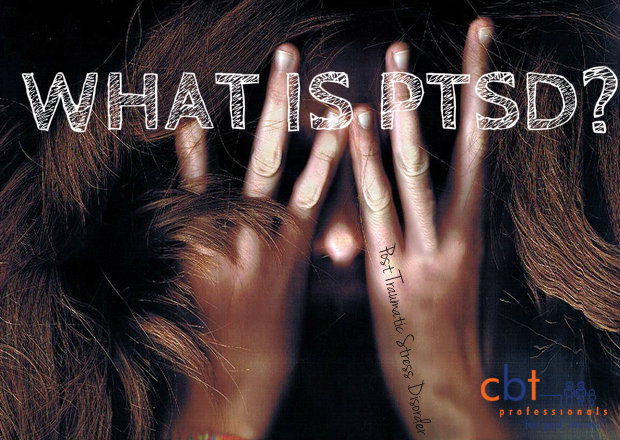
What is PTSD?
PTSD, or Post-Traumatic Stress Disorder, is a mental health condition that can develop after experiencing or witnessing a traumatic event. This may include life-threatening situations such as:
- Violent crime or assault
- Military combat
- Serious accidents
- Natural disasters or man-made disasters
The trauma experienced can deeply affect a person’s emotional wellbeing, behaviour, and worldview.
Symptoms of PTSD
PTSD symptoms vary but commonly include:
- Re-living the trauma – This can take the form of intrusive thoughts, flashbacks, or nightmares. Physical responses such as rapid heartbeat, sweating, or panic are common.
- Hyperarousal – Feeling constantly alert or on edge, easily startled, or tense.
- Emotional changes – Persistent feelings of fear, anger, guilt, numbness, or irritability.
- Avoidance behaviours – Steering clear of reminders, places, people, or activities associated with the trauma.
PTSD often occurs alongside other mental health conditions such as depression, anxiety, or substance misuse.
How Trauma Impacts the Mind and Body
Trauma can significantly change how a person views themselves, others, and the world. Negative beliefs about safety, trust, and control may develop, often resulting in behaviours aimed at self-protection, detachment, or risk-taking.
The effects of PTSD extend beyond the individual, affecting relationships, employment, and overall quality of life. Societal impacts include increased healthcare usage, higher rates of substance abuse, and elevated suicide risk.
Who Can Develop PTSD?
Anyone exposed to trauma can develop PTSD, but certain factors may increase risk:
- Experiencing trauma early in life
- Existing mental health conditions, such as anxiety or depression
- Family history of mental health disorders
- Limited social support or isolation
When to Seek Help
It is common to experience some PTSD symptoms in the first few weeks following a traumatic event. However, if symptoms persist beyond two weeks or worsen, it is important to consult a doctor or mental health professional.
Early intervention can significantly improve recovery and reduce long-term complications.
Treatment and Support
PTSD can be managed through medical and psychological treatments. Common approaches include:
- Cognitive Behavioural Therapy (CBT) and trauma-focused therapy
- Eye Movement Desensitisation and Reprocessing (EMDR)
- Medication prescribed by a healthcare provider
- Self-care techniques including breathing exercises, mindfulness, and grounding techniques
Frequently Asked Questions (FAQs)
Q1: Can children develop PTSD?
Yes. Children can develop PTSD after traumatic experiences. Symptoms may include regressive behaviours, nightmares, or intense emotional reactions.
Q2: How long does PTSD last?
Duration varies. With treatment, many people see significant improvement within months, though some may experience symptoms for years if untreated.
Q3: Can PTSD go away on its own?
Mild symptoms may decrease over time, but persistent PTSD often requires professional intervention for long-term recovery.
Q4: Is PTSD the same as anxiety or depression?
No, though they can co-occur. PTSD specifically arises from trauma and includes re-experiencing, avoidance, and hyperarousal symptoms.
Q5: How can family and friends support someone with PTSD?
Listening without judgement, encouraging professional help, and helping the person maintain a safe routine can be beneficial.
Call to Action
If you or a loved one are experiencing PTSD symptoms, early support is crucial. Book a consultation with a mental health professional or explore our resources for coping strategies today.
For more mental health insights, visit our blog:
Helensvale: (07) 5551 0251
Mount Gravatt: (07) 3102 1366
Nerang: (07) 5668 3490
Disclaimer: Content on this website is provided for education and information purposes only and is not intended to replace advise from your doctor or registered health professional. Readers are urged to consult their registered practitioner for diagnosis and treatment for their medical concerns.
THREE CONVENIENT LOCATIONS
MOUNT GRAVATT
Mt Gravatt Medical PrecinctSE 105, 1808 Logan Rd
Upper Mount Gravatt QLD 4122