

Top Signs of Depression in Children
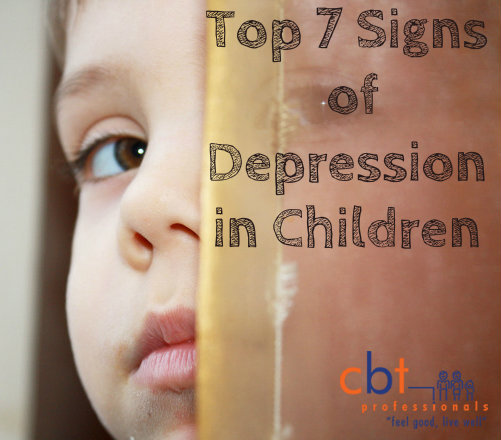
“I’m fine,” your child says—but you know something feels off.
Children often struggle to express their emotions, making it difficult for parents to know when a child’s low mood is serious. While occasional sadness is normal, persistent behavioural changes may signal depression.
Recognising the signs early allows you to support your child and seek professional help before symptoms worsen.
Causes of Depression in Children
Children can experience depression for many reasons, similar to adults. Common causes include:
- Grief and Loss: A family member, pet, or close friend passing away can trigger sadness.
- Life Transitions: Moving homes, changing schools, or parental separation may affect mood.
- Bullying or Social Rejection: Peer conflicts, social isolation, or feeling excluded can contribute to depression.
- Academic Pressure: Struggling to meet expectations at school can lead to feelings of low self-worth.
Depression in children often results from a combination of life events, environmental stressors, and individual temperament.
Top 7 Signs of Depression in Children
Here are the most common behavioural indicators to watch for:
- Low Energy or Motivation
Children may seem constantly tired or struggle to engage in activities. - Loss of Interest in Favourite Activities
Previously enjoyed hobbies may suddenly feel boring or unappealing. - Social Withdrawal
Avoiding friends, family, or group activities can indicate emotional distress. - Negative Self-Talk
Children may express hopelessness, low self-esteem, or negative expectations about the future. - Irritability or Emotional Outbursts
Mood swings, anger, or frequent frustration may appear more pronounced than usual. - Changes in Eating Patterns
Depression can lead to eating too much or too little. - Changes in Sleep Patterns
Difficulty falling asleep, staying asleep, or oversleeping may indicate low mood.
Tip: These signs may be subtle. Look for patterns that persist more days than not over at least two weeks.
When to Seek Help
Mood fluctuations are normal in children, but if you notice these signs persisting, it’s time to take action. Consider:
- Booking an appointment with your GP for a professional assessment
- Consulting a child psychologist for targeted support
- Monitoring your child’s behaviour and emotional state at home and school
Early intervention often improves outcomes and helps children develop coping skills for the future.
Frequently Asked Questions (FAQs)
Can children really get depression?
Yes. Childhood depression is a recognised mental health condition and can affect behaviour, emotions, and physical health.
How long does depression last in children?
Symptoms lasting more than two weeks warrant professional attention, though ongoing support may be needed for several months.
Are mood swings normal in kids?
Short-term mood changes are normal. Persistent low mood, withdrawal, or irritability may indicate depression.
How can parents help a depressed child?
Provide support, open communication, routine, and seek professional help when needed.
Do I need a referral to see a child psychologist?
Referrals from a GP are often recommended and may be required for government rebates or insurance purposes.
Call to Action
If you notice persistent changes in your child’s mood or behaviour, you don’t have to navigate this alone.
Our child psychologists provide expert, evidence-based support to help children and families cope, learn, and thrive.
👉 Book an appointment today
👉 Speak with your GP about a referral\
Helensvale: (07) 5551 0251
Mount Gravatt: (07) 3102 1366
Nerang: (07) 5668 3490
Disclaimer: Content on this website is provided for education and information purposes only and is not intended to replace advise from your doctor or registered health professional. Readers are urged to consult their registered practitioner for diagnosis and treatment for their medical concerns.
THREE CONVENIENT LOCATIONS
MOUNT GRAVATT
Mt Gravatt Medical PrecinctSE 105, 1808 Logan Rd
Upper Mount Gravatt QLD 4122