

Eating Disorder Warning Types & Treatment
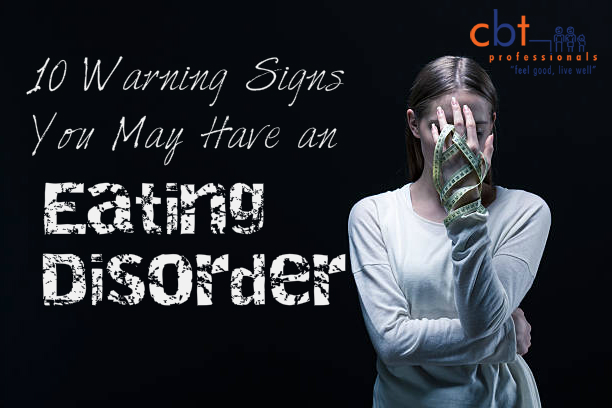
Eating disorders can affect anyone, regardless of age, gender, or body type. Early recognition is critical. Here are 10 common warning signs:
- Low body weight for height (BMI <17.5)
- Preoccupation with food, dieting, calorie counting, or meal skipping
- Eating alone to hide behaviours such as restriction or bingeing
- Purging through vomiting, laxatives, or excessive exercise
- Rigid exercise routines, exercising when ill or in bad weather
- Excessive engagement with weight-loss content online or in books
- Constant body checking in mirrors, measuring, or daily weighing
- Extreme dissatisfaction with body image
- Intense fear of gaining weight
- Feeling unable to control behaviours around food
If several of these signs resonate with you, it may indicate the presence of an eating disorder or risk of developing one.
Common Types of Eating Disorders and DSM-5 Criteria
Approximately 6% of Australians experience an eating disorder, with the most common being Anorexia Nervosa, Bulimia Nervosa, and Binge Eating Disorder.
Anorexia Nervosa
Characterised by restriction of energy intake, an intense fear of weight gain, and distorted body image.
DSM-5 Criteria:
- A: Significantly low body weight relative to age, sex, and development
- B: Intense fear of gaining weight, even when underweight
- C: Disturbance in body image or lack of recognition of low weight
- Types: Restricting type (no binge/purge) or binge-eating/purging type
- Severity: Based on BMI: Mild (BMI >17), Moderate (16–16.99), Severe (15–15.99), Extreme (<15)
Bulimia Nervosa
Characterised by recurrent binge eating followed by compensatory behaviours such as vomiting, laxatives, or excessive exercise.
DSM-5 Criteria:
- A: Recurrent binge-eating episodes (large amounts of food with lack of control)
- B: Recurrent inappropriate compensatory behaviours
- C: Occurs at least once per week for 3 months
- D: Self-evaluation unduly influenced by body shape and weight
- E: Not exclusively during Anorexia episodes
- Severity: Mild (1–3 episodes/week) to Extreme (14+ episodes/week)
Binge Eating Disorder
Characterised by recurrent binge eating without compensatory behaviours.
DSM-5 Criteria:
- A: Recurrent binge-eating episodes with lack of control
- B: Associated with ≥3 behaviours: eating rapidly, until uncomfortably full, when not hungry, alone, or with feelings of guilt/disgust
- C: Marked distress regarding binge eating
- D: Occurs ≥1/week for 3 months
- E: Not associated with Bulimia or Anorexia
- Severity: Mild (1–3 episodes/week) to Extreme (14+ episodes/week)
Why Treatment is Critical
Eating disorders are the most lethal mental health disorders, with severe physical complications including:
- Gastroparesis, constipation, stomach ruptures, malnutrition
- Pancreatitis, dehydration, hypothermia
- Neurological symptoms such as dizziness, numbness, seizures
- Cardiovascular issues: irregular heartbeat, heart failure
- Menstrual irregularities and fertility issues
Early, multi-disciplinary treatment can prevent these complications and support long-term recovery.
Treatment for Eating Disorders
Effective treatment usually involves a team of healthcare professionals, including:
- GPs for medical oversight
- Dieticians or nutritionists for structured meal planning
- Psychologists for therapy such as CBT, DBT, or FBT (for adolescents)
- Psychiatrists if medication is needed for comorbid conditions
In severe cases, inpatient treatment may be recommended, particularly when BMI <15.
Psychological treatment focuses on:
- Restoring healthy eating patterns
- Addressing cognitive distortions and negative self-evaluation
- Exploring values, self-worth, and personal goals
- Developing coping strategies for stress and emotional regulation
Getting Help
If you or someone you know shows warning signs of an eating disorder:
- Speak to your GP to establish a multi-disciplinary care plan
- Download our Referral Factsheet to take to your GP
- Begin therapy with psychologists and dieticians experienced in eating disorder treatment
Early intervention increases the likelihood of a full and sustainable recovery.
FAQs
Q: What are the early signs of an eating disorder?
A: Preoccupation with food, extreme dieting, bingeing, purging, or excessive exercise are common warning signs.
Q: What is the difference between Anorexia, Bulimia, and Binge Eating Disorder?
A: Anorexia involves restriction, Bulimia involves bingeing and compensatory behaviours, and Binge Eating Disorder involves bingeing without purging.
Q: Can eating disorders be treated?
A: Yes. Multi-disciplinary approaches including therapy, nutritional support, and medical care are highly effective.
Q: How do I start treatment?
A: Speak to your GP for referrals and begin psychological and dietetic support.
THREE CONVENIENT LOCATIONS
MOUNT GRAVATT
Mt Gravatt Medical PrecinctSE 105, 1808 Logan Rd
Upper Mount Gravatt QLD 4122